by RSP Crew | Feb 22, 2024
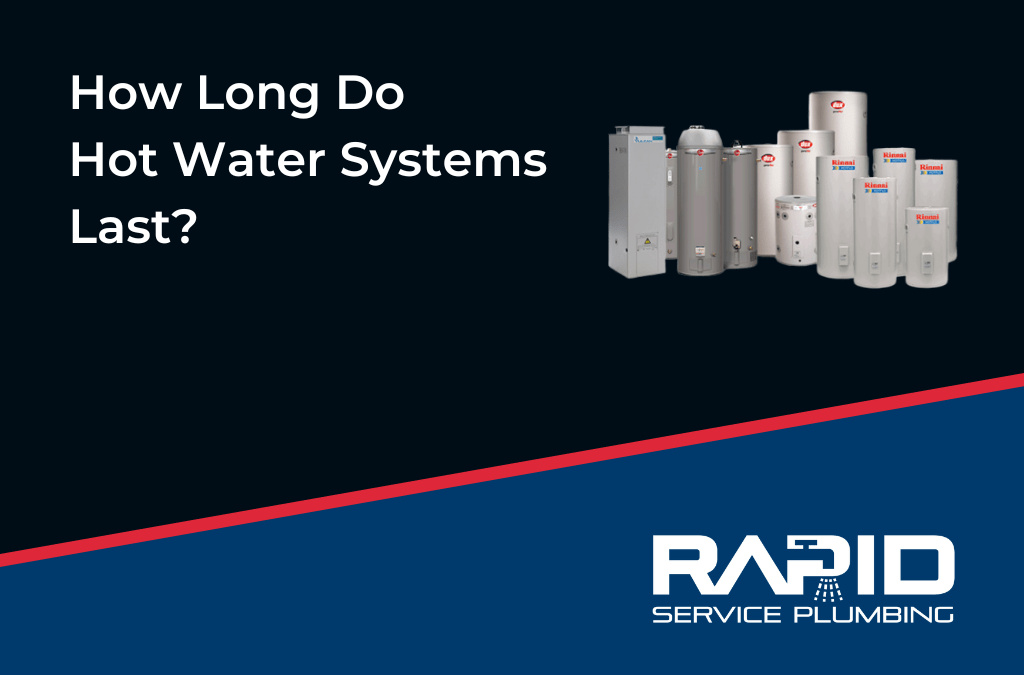
We’re all Aussie homeowners. And one of our constant worries is about how long do hot water systems last. After all, a hot shower or bath or a steaming pile of dishes is a crucial part of our happy daily life, but we only ever take it for granted once something goes BANG! Cold showers as the cold season approaches? No thanks! Massive unexpected bills amid a cost of living crisis! No way!
How long does a hot water system last, really?
How long do solar hot water systems last? No, take a deep breath because it doesn’t matter what type of hot water system you have. How often do you wonder how long do electric hot water systems last? Or gas. Or solar. Or heat pump? No matter the technology, age or type, there are plenty of factors that are relevant here. Usage. Maintenance. Environmental conditions in Sydney and beyond. Because no, it’s not just a simple question of time. That’s why we’ve diving deeper into understanding how long do gas hot water systems last – and the rest of them! We use all sorts of hot water systems in Sydney and beyond, so let’s seek both peace of mind and a plan for the future:
1. What type of system do you have?
This factor can be a big deal, because while electric and gas systems typically last 10-15 years, solar and heat pump models can last a little longer. So make yours long as long as it can, regularly check and clean the components specific to your system type – and by that, we mean clearing those solar panels or checking the anode in electric models. Need help? Jump to the bottom of this blog!
2. What’s your water quality?
You should also know about the quality of your tap water. If you live in a region with particularly hard water, that can really start to build up scale in your system. What does that mean? We’re talking about reduced efficiency and lifespan. To help things, install a water softener or get your system regularly descaled to mitigate the effects.
3. How often is that system used?
If you’re really stressing your hot water system, be aware that wear and tear is only being accelerated. So watch that hot water usage, and before you do that make sure that the size of your hot water system is enough to accommodate your household’s needs.
4. What’s your maintenance routine?
A bit lazy with maintenance? We all are, but if you keep up with that upkeep, you keep total system failure at bay. Schedule an annual inspection, get that maintenance done, and flush the tank. And check the pressure relief valves!
5. Are there environmental factors?
Yes, there are definitely environmental factors! It could be harsh weather or heavy hail, but no matter how cold or hot it gets, it matters when it comes to the system’s durability. Are your external components protected by insulation or weatherproof covers? Have you asked a local Sydney plumber about adequate ventilation for the indoor and outdoor units?
DIY VS professional hot water system maintenance
Understand these factors deeply, and homeowners are on the way to extending the life of their hot water systems. From a complex issue to regular maintenance, seeking affordable and professional help is the most obvious answer here. Rapid Service Plumbing offers comprehensive plumbing services in Sydney, including emergency plumbing, blocked drain solutions, gas fitting, hot water systems and more. Give us a call today.

by RSP Crew | Feb 13, 2024
So, how long does a hot water system take to heat up? We know it’s frustrating to wait – especially if you think something might have gone wrong with your expensive unit that you rely on each day for showers and baths. But perhaps you’re browsing for a new system and want to know what to expect – like if you’re tossing up between a tankless vs a traditional tank system or perhaps even a state-of-the-art heat pump. Or maybe you’re just curious.
How long does it take for a hot water tank to heat up?
First, let’s do some troubleshooting! We know you’re shivering in the bathroom waiting for that freezing cold water to heat up, so let’s see what’s going on whilst pondering the question: How long does it take for hot water to heat up?:
Troubleshooting hot water system heat-up delays
1. Check power sources
Is your system even connected to its power source? If it’s electric, that means checking the circuit breakers. And for gas systems? How long does a gas water heater take to heat up? A bit faster than electric, but let’s start with peering into the system to look for the presence of that pilot light.
2. Inspect thermostat settings
Next, let’s verify that the thermostat is set to an appropriate temperature – because if it’s set too low, it’s not going to be hot enough! However, your system should be set to a standard, regulatory-compliant temperature.
3. Evaluate tank capacity vs. usage
Do you have a tank-based system? If you do, perhaps you’ve just run out of water! If the stored water is all gone, your system won’t be able to catch up as you stand there waiting for it. This leads to the question, “How long does it take for a hot water tank to heat up?” Understanding this can help you manage your expectations and plan accordingly for your hot water needs.
4. Look for leaks
Put your clothes back on and head outside to your system. Do you see your hot water system badly leaking? A few drops here and there are fine, but something very soggy could be a major problem.
5. Could it be sediment build-up?
In storage systems, sediment accumulation at the bottom of that tank is something that can act as a barrier to heat transfer. It could be time for a flush.
6. Check for faulty heating elements
You might also need to look into whether your hot water system has a faulty heat element, especially if you’re asking, ‘How long does an electric hot water system take to heat up?’ This could be a key factor affecting the heating time of your system.
7. How old is your system?
If your system is past its prime, it may be struggling for heating efficiency. Maybe that means waiting a little longer for water – or maybe it’s time to call the plumber!
Quick or slow?: Unpacking the factors behind water heat-up
So, you’ve run through 1 to 7 and there’s nothing obviously wrong? Maybe you’ve just run into a few of the major factors that impact how quickly your hot water system can heat up. Remember, it’s not always just about patience, but a complex mix of science and system specifics.
- System type: If it’s a fully-functioning tankless (or instantaneous) hot water system, that should give you hot water very quickly – we’re talking within a few seconds. A tank system, though, can take a while for the hot water to reach your tap.
- Tank capacity: What is the size of your hot water system? Is it a particularly big one? It should be chock-full of hot water, but if you’re waiting for it to heat up, that’s going to take quite a bit longer.
- Energy type: Gas or electric? If electric, it can take longer to heat up than gas. But it’s not going to make a huge difference, to be honest.
- Initial water temperature: How cold is the weather out there? If it’s the dead of winter, it’s time to be patient because you’re asking your system to work a lot harder to reach the desired temperature.
- Thermostat setting: Your thermostat should be at a fixed temperature, but if you’ve cranked it all up to something particularly hot, that will take longer once you turn that hot tap.
- System efficiency: Is your system brand new or quite old? If the latter, expect a longer wait time – or start looking into a repair, some maintenance, or something brand new.
- Maintenance history: When was the last time you had a professional out to service your hot water system?
- Usage patterns: Do you have two or even three showers or baths? If so, if you’re trying to churn out hot water at the same time, that could mean seriously extended heating times.
Rapid Service Plumbing: Tailored solutions for your hot water needs
Think of your hot water system like a living, breathing piece of technology. Does it need a little TLC? From installation to repairs, maintenance, regular servicing and beyond, the friendly team at Rapid Service Plumbing offers expert guidance and a range of services tailored to your needs around the clock. Why not give the team a shout today for an obligation-free quote? We can’t wait to hear from you!
by RSP Crew | Feb 6, 2024
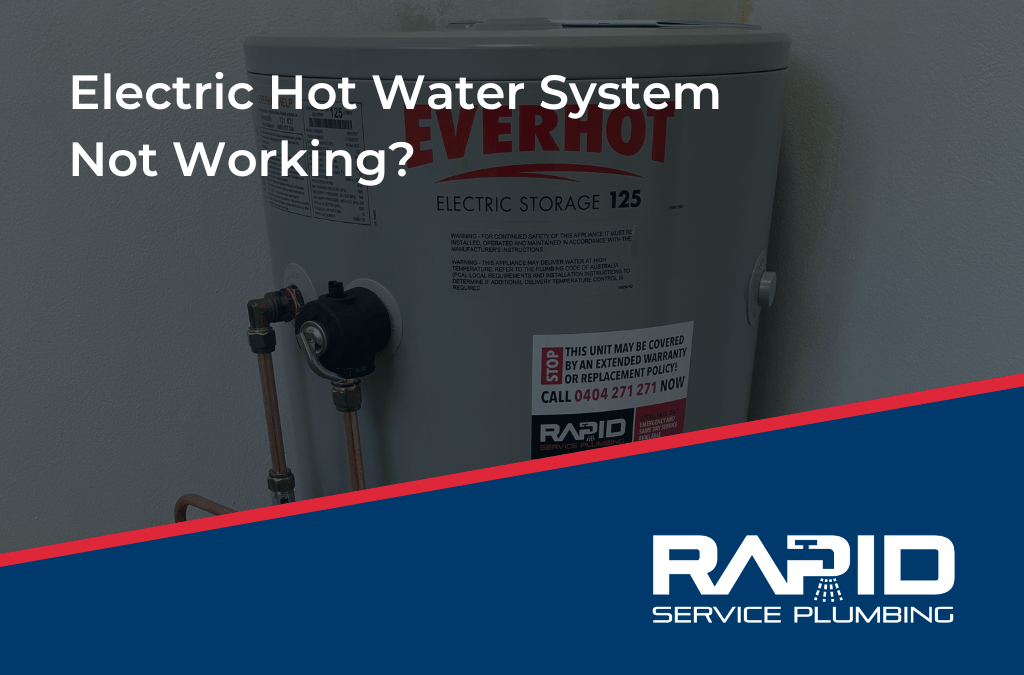
Electric hot water system not working like it used to – or at all? It’s a tale as old as hot water systems themselves: you’re ready for a relaxing shower, only to be greeted by an icy torrent that sends shivers down your spine. Yes, hot water system issues are not just annoying – they can seriously disrupt the daily routine and trigger temper-tantrums all across the household. But here’s a little-known fact: when it comes to hot water system woes, electric models take the cake for causing more headaches than their counterparts. Why, you ask? Well, it’s a combination of their widespread use, intricate electrical components, and the need for regular maintenance that often goes unnoticed.
But let’s stop fretting, because we’re about to dive into the ultimate troubleshooting guide for those pesky electric hot water system problems. So, grab your notepad and keep that dry towel and body wash handy – because help is on the way!
Why is my electric hot water system not working? A progressive troubleshooting guide
Let’s take a progressive approach to resolving your electric hot water issue. Though it might seem daunting, especially when you’re faced with something like your hot water system not heating, there’s a chance it could be a simpler fix than you think, one you might be able to handle yourself. Of course, it could also indicate a need for a plumber or a new system, but let’s not jump to conclusions just yet.
1. Have you run out of water?
If you’ve got a storage-based system, the problem could be as simple as an empty tank! You might have a ‘boost’ button that can start to heat a new batch immediately, but you might also need to wait until the morning.
2. Check the power source
Your electric system isn’t going to do much without electricity! It’s frustrating when you encounter something like your electric hot water not working, but with a bit of luck, it’s not a serious power issue or a deeper wiring problem. Rather, it could be something as simple as a tripped breaker or a blown fuse that needs dealing with.
3. Can you adjust the thermostat?
Across the country, hot water systems are basically set at a pre-determined level in compliance with regulations. However, if you’re facing an issue with an electric hot water system not heating up, it could be as simple as the thermostat settings being set too low for a satisfying shower.
4. Is it a high-temperature cut-off?
Similarly, if you’re dealing with your electric hot water system not heating, it could be that the upper thermostat on your unit has a cut-off switch that has tripped due to excessive heat. Simply hitting the reset button might be the quick solution you need. After resetting, give the system some time to get going again.
5. Is your hot water system leaking?
When you notice moisture or water pooling around your hot water system, it’s a clear sign of a leak – and potentially a big problem waiting to unfold. Leaking hot water systems can range from simple issues like loose connections to more serious problems such as a cracked tank.
6. Low hot water pressure
Experiencing a disappointing trickle when you were hoping for a powerful, hot shower is not only frustrating but could indicate a problem with your hot water system or the plumbing. Here are steps to diagnose and potentially fix low hot water pressure
7. Check the heating elements
It’s very common for the heating elements to become coated with mineral deposits – or simply burn out. It’s possible to test them with a multimeter, but you may need help with that – especially if you find you need a replacement.
8. Is it time for a flush?
Part of your system’s normal maintenance regimen is a simple tank flush – which basically involves emptying the tank completely so that it can re-fill with fresh water.
9. The thermostat could need replacing
If you’re sure all the settings are right and your unit has power, it might be the thermostat that has seen better days. Replacing it will require a call to a licenced plumber near you.
10. Corrosion or tank damage
Perhaps you haven’t kept up to date with checking (and replacing) and sacrificial anode rod – the component that sits inside your tank with the express task of attracting corrosion away from your precious tank. Unfortunately, if the tank is badly corroded or otherwise damaged, the entire system will probably need to be replaced.
11. Which brand is your system?
We have some detailed guides for different hot water brands. So if you’re troubleshooting a Rinnai hot water system or trying to fix a Rheem hot water system dive deeper there.
12. Call a hot water plumber
Have you run through the steps? No success? Don’t panic: because Sydney’s favourite 24-hour hot water plumbing service is always just around the corner. Perhaps it’s an internal blockage, maybe it’s a complex mechanical failure, or perhaps it’s a super-easy fix – or maybe it’s simply time to explore your options for a shiny, brand-new hot water system.
Expert advice for an electric hot water system not working
Remember, while some hot water fixes are straightforward, electrical systems can be dangerous – and there are plenty of regulations restricting what you’re allowed to do with your hot water system. If in doubt, give the friendly team at Rapid Service Plumbing a call – we’ll be right there! Inner West hot water, Sutherland Shire hot water, North Shore hot water and Sydney wide.
by RSP Crew | Jan 9, 2024
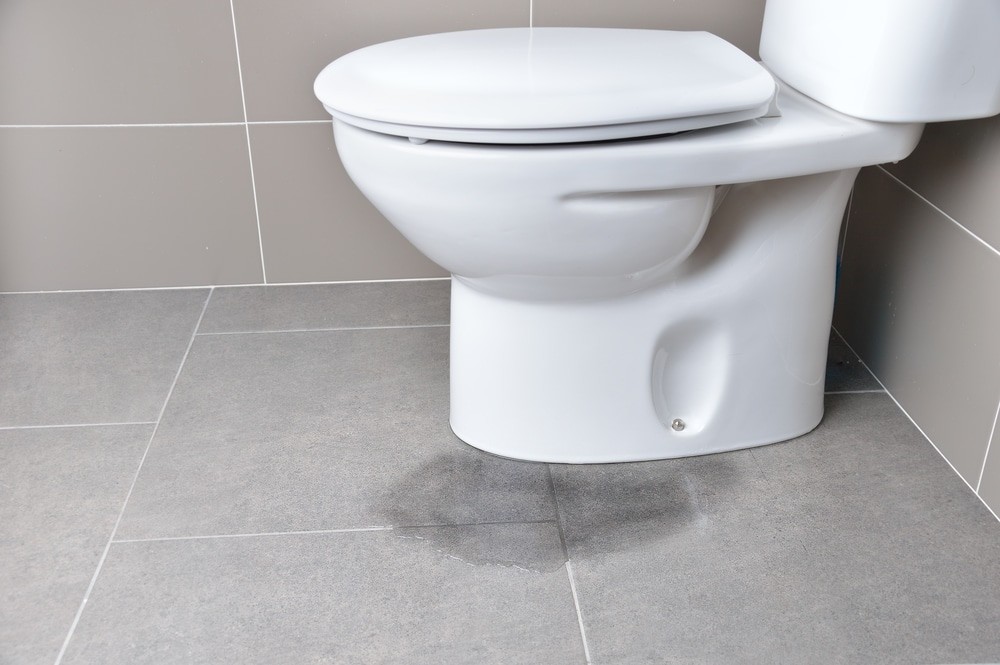
Is that the dreaded sound of a leaking toilet cistern – that ‘trickle, trickle, trickle’ is a never-ending, irritating symphony in your home’s smallest and most hard-working room. But even if you can cope with the annoying dribble, it can quickly escalate into a seriously watery nightmare, hiking up your water bills and threatening water, plumbing and other damage.
Mastering the art of fixing a leaking toilet cistern
But don’t worry, because you don’t need to be a toilet plumbing specialist to start to get your head around this. Our easy, step-by-step diagnostic guide is here to help you pinpoint the problem with a toilet cistern leaking and guide you towards the next steps to fix it. So, together, let’s dive into the porcelain throne and fix that drip!:
Step 1: Confirm the leak
You’ve already heard that trickle, trickle, trickle, but let’s also give that entire toilet a decent visual inspection too to check for any obvious cistern leaking in and around the tank but also the base and the supply lines too. And is the whole toilet loose? Simply tightening the base bolts could fix that.
Step 2: Check the cistern water level
If you have a dripping toilet cistern, let’s see what’s going on inside. Remember, the cistern is the tank that holds the water ready for the next flush. The lid of the cistern should be easy enough to remove, but be careful not to break it as they can be difficult to replace.
Look at the water level – is the top of the water a few centimetres or so below the overflow tube? If it’s too high, make an adjustment to the float mechanism to lower it a little. With a bit of luck, that will stop the system from its constantly toilet cistern dripping state.
Step 3: Test the flapper valve
The flapper valve is a fairly basic rubber seal that controls the release of water from the tank into the bowl when you hit the flush button – and it’s critical for maintaining the proper water level, especially when dealing with a leaking cistern.
- Inspect it: Check the flapper for signs of wear, warping or damage, especially if you suspect toilet cistern leaking into the bowl. If you think that could be the culprit, you can try to replace it yourself – as long as you’re confident you’re not going to make your misbehaving toilet problem even worse!
- The food colour test: By adding a few drops of food colouring to the cistern water, you can test the performance of your old (or new!) flapper valve when dealing with toilet flush leaking. Simply wait 30 minutes after adding the colour – and if the water in the bowl starts to become colourful, the flapper valve may well be leaking.
Step 4: Inspect the fill valve
Toilet system leaking? Look for a metal or plastic cylindrical body called the fill valve – a crucial component for regulating the way water is supplied to the cistern.
- Listen for hissing: Is it hissing? That’s the classic sign of a fill valve on the way out.
- Adjust or replace: Look for an adjustment screw or knob, and turn it clockwise to increase the water level or anti-clockwise to decrease it until you find the sweet spot. If the valve is damaged, though, it will need replacing.
Step 5: Check the flush valve and flush mechanism
Next up, let’s zoom into the flush valve seal and the flush mechanism. The seal is just a rubber/silicone ring to create a watertight seal during the flush, while the mechanism itself is what you press in order to flush the toilet.
- Seal: Give it a good once-over for signs of wear or damage.
- Mechanism: Is the button or handle sticking or loose?
Step 6: Can you DIY or do you need a plumber?
Sometimes, you can get away with a quick DIY fix, with minor toilet issues among the few plumbing tasks you are allowed to try for yourself without a plumbing license. But for major water leaks, cracks or more complex problems, it may be best to get professional help right from the start:
- Simple fix: If you’ve traced your toilet problem to the flapper, fill valve or the need for a minor adjustment, go for it if you’ve got the basic skills, knowledge, tools and confidence.
- Call a plumber: For everything else, or if you’re just not sure, don’t worry – because a top plumber in Sydney is only ever just around the corner.
Decision time: DIY or professional help?
A misbehaving toilet can sometimes feel like a big problem, but thankfully it’s one of those household problems that can be resolved with a bit of DIY grit and know-how. But even when that leaky throne overwhelms you, Rapid Service Plumbing will be there for you. Across Sydney and beyond including Canterbury-Bankstown, City of Sydney, Eastern Suburbs, Hills District, Inner West, Sutherland Shire, North Shore and Northern Beaches, we offer 24/7 service, obligation-free quotes, guaranteed workmanship and no call-out fees. Flush all of your worries away by giving the friendly team at Rapid Service Plumbing a shout today.
by RSP Crew | Jan 9, 2024
You sit on the bowl, but without the cistern – the tank that holds the water ready to flush – it’s not going to be a very pleasant experience! If it’s time for a replacement toilet cistern because it’s cracked, otherwise badly damaged or just time for a modern upgrade, a full replacement is not that hard to do.
Is replacing a toilet cistern illegal?
First, a warning: In NSW, like most other states in Australia, plumbing codes require you to have a valid plumber’s license for any major plumbing work other than changing a washer, swapping out a showerhead or fitting a new toilet seat. This includes replacing a toilet cistern only. So check with your local council before you repair or replace a toilet.
Australian Plumbing Regulations for Cistern Replacement
Toilet cistern replacement falls under the Plumbing Code of Australia (PCA). This national code sets the minimum requirements for plumbing and drainage installation work. While DIYers may be tempted to do this job, in most states and territories in Australia, this work must be done by a licensed plumber to comply with local regulations and standards.
Your Toilet Cistern
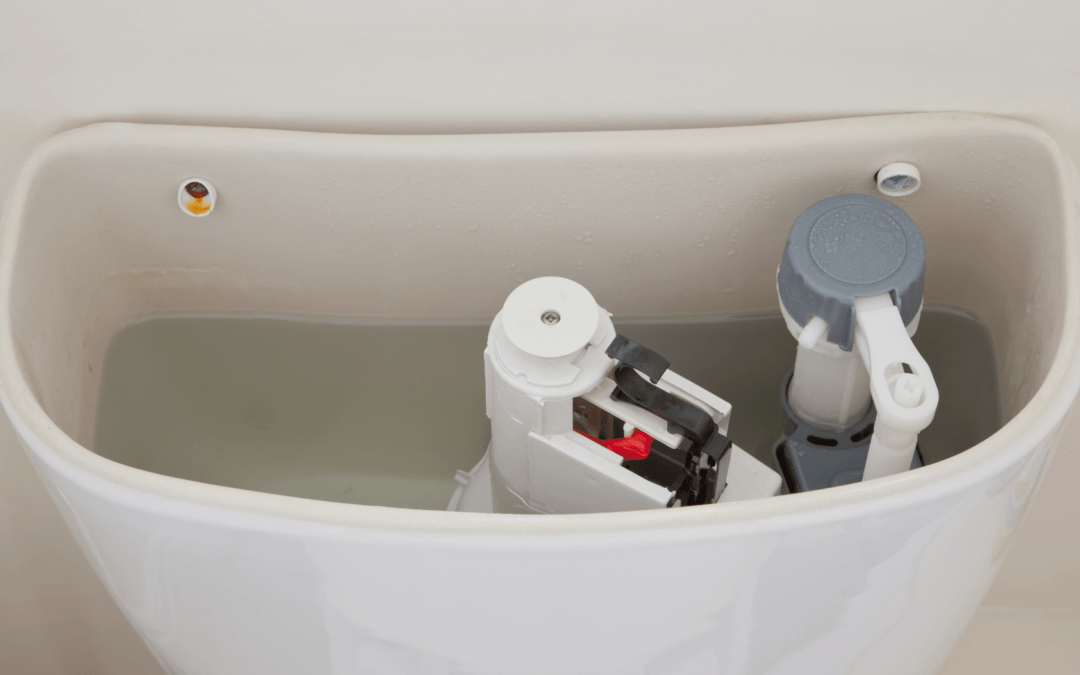
Before you start replacing, you need to understand your toilet cistern components. A typical cistern has:
- The tank
- The flush valve
- The fill valve
- The flush button or lever
- The overflow tube
- The flapper or flush seal
Each of these parts is important to the flushing mechanism and understanding what they do will help you diagnose and make informed decisions.
Types of Toilet Cisterns
Toilet cisterns come in different types, each with its own benefits:
- Close-coupled cisterns: The most common type where the cistern is attached to the toilet bowl.
- Wall-hung cisterns: Mounted on the wall, saving floor space and looks modern.
- Concealed cisterns: Hidden in the wall cavity for a sleek look.
- High-level cisterns: Traditional style where the cistern is mounted high on the wall.
When replacing your cistern, make sure the new replacement cistern is compatible with your existing toilet bowl and bathroom layout.
When to Replace Your Cistern
Common signs it’s time to replace your cistern include:
- Leaks that can’t be fixed with a simple repair
- Cracks in the cistern body
- Frequent blockages or incomplete flushes
- Excessive water usage due to old technology
- Visible wear and tear or cosmetic reasons
In some cases, changing toilet cistern components can be a straightforward and affordable solution to these issues.
Choosing a Water Efficient Cistern
When choosing a new cistern, consider its water efficiency. The Water Efficiency Labelling and Standards (WELS) scheme in Australia rates water-using products. Look for cisterns with high WELS ratings to save water and reduce your water bills. Modern dual-flush systems use much less water than old single-flush models.
Tools and Materials
What you may not know is that while it’s the most used seat in your home, replacing the cistern isn’t too hard if you have the courage and basic skills. Here’s what you’ll need:
- New cistern (including bolts)
- Adjustable wrench
- Screwdrivers
- Sponge, towels & bucket
- Plumber’s tape
- Rubber gaskets & sealant
- Pipe cutter (if needed)
- Level
- Measuring tape
- Inlet pipe
Cost of Replacing Toilet Cistern
The cost of replacing a toilet cistern will vary:
- Type and quality of new cistern: $100 – $500+
- Professional installation (if required): $150 – $300
- Additional materials: $20 – $50
DIY will save on labour costs but make sure you’re confident in your skills to avoid costly mistakes.
How to Replace a Toilet Cistern in 7 Easy Steps
Step 1: Prepare
Turn off the water supply at the mains and at the valve behind or next to the toilet. Now flush the toilet to get the water out of the cistern and use the sponge and bucket to get the last bits out before you replace the cistern. Ensure that the flush water properly enters the toilet pan and check for leaks after installation.
Step 2: Disconnect the water supply
At the bottom of the cistern you’ll find the water supply line. Remove it with the adjustable wrench and be prepared for a little more water to come out with the bucket and towels.
Step 3: Remove the old cistern
Unscrew the nuts that hold the cistern to the bowl – they’re at the bottom of the tank. If they’re corroded or stuck, try using some penetrating oil before you try again. Once they’re off, just lift the cistern off the bowl.
Step 4: Prepare the new cistern
Make sure you’ve already checked the new toilet cistern is compatible with your existing bowl and toilet setup so unpack it and follow the instructions to see if any parts need to be assembled before you install it. Put new rubber gaskets on the new cistern bolts so you have a watertight seal.
Step 5: Position the new cistern
The new cistern and the top of the toilet bowl should line up with the mounting holes so you can screw it in. When replacing a cistern be careful not to over tighten as it can damage the cistern or even crack the porcelain.
Step 6: Reconnect the water supply
Wrap the threads of the inlet valve with Teflon plumber’s tape – this is critical for a tight and permanent seal when replacing the cistern. Now just reconnect the water supply line to the bottom of the cistern with the adjustable wrench – and don’t over tighten!
Step 7: Test, seal & done!
Turn the water supply back on and you’ll know you’ve done it right because you’ll hear the cistern start to fill. Check the cistern for leaks while it’s filling and once you’re sure and the tank is full do a test flush. If everything’s working perfect add a bead of sealant around the base of the cistern so it’s all watertight for good. And now pat yourself on the back you’ve done it! You’ve learned how to replace toilet cistern parts and it all works!
Safety Precautions and Considerations
When replacing a toilet cistern, it’s essential to take necessary safety precautions to avoid injuries and ensure a successful installation. Here are some key considerations:
- Turn off the water supply: Before starting the replacement process, make sure to turn off the water supply to the toilet cistern. This will prevent any accidental water flow and minimize the risk of flooding.
- Wear protective gear: Wear gloves, safety glasses, and a face mask to protect yourself from any potential hazards, such as sharp edges or chemical splashes.
- Use proper lifting techniques: When lifting the old cistern or the new one, use proper lifting techniques to avoid straining your back or injuring yourself.
- Check for electrical connections: If your toilet cistern has any electrical connections, make sure to disconnect them before starting the replacement process.
- Follow manufacturer’s instructions: Always follow the manufacturer’s instructions for the new cistern, and take note of any specific safety precautions or recommendations.
By taking these safety precautions and considerations into account, you can ensure a safe and successful toilet cistern replacement. Remember, safety first!
Cistern Maintenance
To keep your new cistern running for years to come:
- Check for leaks
- Clean the cistern interior every year
- Replace flush mechanism parts every 4-5 years
- Don’t use harsh chemicals that can damage seals and components
Cistern Troubleshooting
Even with a new cistern you may still have some issues. Here are quick fixes for common problems:
- Running toilet: Check the flapper seal and adjust the fill valve
- Weak flush: Check the water level
- Filling noise: Clean or replace the fill valve
- Sweating cistern: Insulate the tank or install an anti-condensation tank
Modern Cisterns are Good for the Environment
Upgrading to a modern cistern can have many environmental benefits:
- Less water usage
- Less energy to treat and distribute water
- Less strain on the water infrastructure
- Potential to use recycled materials in cistern production
By choosing an eco cistern you’re helping with water conservation and reducing your footprint.
Conclusion
Replacing a toilet cistern can be a DIY-friendly task, but it’s essential to approach it with caution and attention to detail. By following the steps outlined in this guide, you can successfully replace your old cistern with a new one and enjoy a more efficient and reliable toilet system.
Remember to always turn off the water supply, wear protective gear, and use proper lifting techniques to ensure a safe and successful installation. Additionally, make sure to follow the manufacturer’s instructions for the new cistern and take note of any specific safety precautions or recommendations.
If you’re not comfortable with DIY plumbing or if you’re unsure about any aspect of the replacement process, it’s always best to consult a licensed plumber. They can provide expert guidance and ensure a professional installation that meets local plumbing codes and regulations.
By replacing your old toilet cistern with a new one, you can enjoy a more efficient and reliable toilet system, reduce water waste, and save money on your water bills. So why wait? Replace your old cistern today and start enjoying the benefits of a modern and efficient toilet system!
Toilet cistern replacement – Made easy!
But don’t forget, fiddly DIY jobs – especially on your home’s critical plumbing functions – aren’t for everyone because they can turn a minor issue into a big, watery, expensive disaster! And in NSW as well as most other Aussie jurisdictions, work like this can only be carried out by a licensed local plumber in Sydney – like Rapid Service Plumbing right here in Sydney and beyond.Our expert services are tailored to meet the unique needs of each client Sydney wide, including Chullora, Darlington, Coogee, North Rocks and Beecroft. No matter what TLC your home’s hard-working throne needs or where you are, we do it all with obligation-free quotes, $0 call-out, a price match guarantee and fully guaranteed workmanship for life. Give Rapid Service Plumbing a call today – 24/7.. This version of your article includes all the recommended sections while keeping your original content. The new content has been added seamlessly to provide a more comprehensive guide to toilet cistern replacement covering all aspects from regulations and costs to maintenance and environmental benefits.