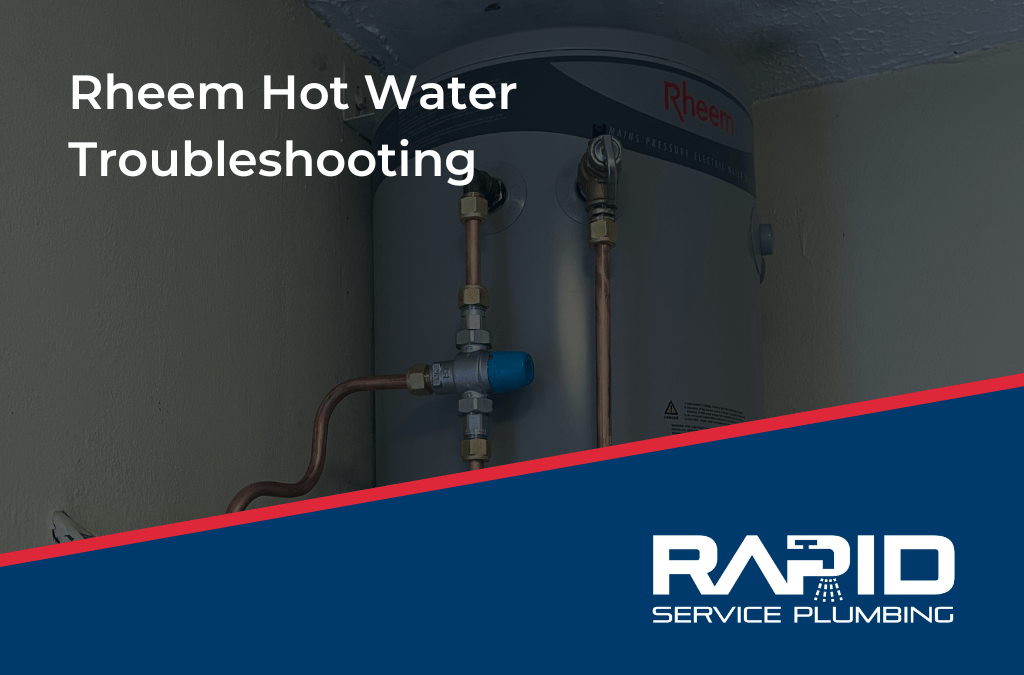
You listened to the marketing hype and decided to “Install a Rheem”? Good choice to keep that hot water coming on “Steady, hot and strong” – but what happens when yours stops working and you’re left with cold water after a long, hot day? Don’t worry, because like any appliance, they’re not perfect. But what do you do when your Rheem is no longer steady, hot and strong? Answer: Do some Rheem hot water system troubleshooting!
Electric Rheem Troubleshooting Guide
For electric Rheem systems:
Check the power supply and circuit breaker
Check the thermostat settings
Look for element failure
Check the pressure relief valve
If you’re not comfortable with electrical components, contact us now.
General Troubleshooting Steps
Check for Error Codes: If you have a continuous flow Rheem, familiarise yourself with the error codes that flash up when something’s gone wrong. Look up the Rheem code and follow the instructions.
Read the Rheem Troubleshooting Guide: This guide covers a wide range of issues across the whole Rheem HWS range, not specific to a particular model or type.
Check for Water Leaks: Understand how your system’s temperature relief and expansion control valves work. A little water discharge is normal during the heating cycle.
Fix Temperature Fluctuations: Check if your heater is being affected by water flow restrictors or water-saving low-flow taps.
Solar Rheem Systems: Common Problems and Solutions
Solar hot water systems have their own unique issues:
Check for shading on solar collectors
Check the pump is working
Check the backup electric or gas booster is working
Look for glycol leaks in closed-loop systems
Do you have a heat pump?
Are you benefitting from the superior energy efficiency and smaller carbon footprint of a Rheem heat pump? You’ll also helpfully see fault codes indicated through the flashing lights on the controller, and they will vary depending on the model – for instance, the codes for the 310L model are different from the 325L model because of the specific operational issues they face.
How to Reset Your Rheem Hot Water System
Resetting your Rheem system will often fix minor issues:
Turn off the power
Wait 30 seconds
Turn the power back on
Let the system heat up and check it’s working properly
Note: Reset procedures may vary by model, check your user manual for specific instructions.
Your Rheem is reliable but it’s still a complex piece of technology. Hopefully our Rheem hot water systems troubleshooting guide has fixed the issue but if not or you’re sure something more serious is going on, call the friendly team at Rapid Service Plumbing. We’re available 24/7 in emergencies, we offer no obligation quotes and upfront pricing and we guarantee our workmanship – forever! Our plumbers service the greater Sydney areas including Canterbury-Bankstown, City of Sydney, Eastern Suburbs, Hills District, Inner West, Sutherland Shire, North Shore, and Northern Beaches. Not only that, our Melburnian neighbours can now experience high-quality plumbing services as we have expanded to Melbourne! Rapid Service Plumbing is only ever a single call away for advice and a rapid response, so don’t hesitate to get in touch.
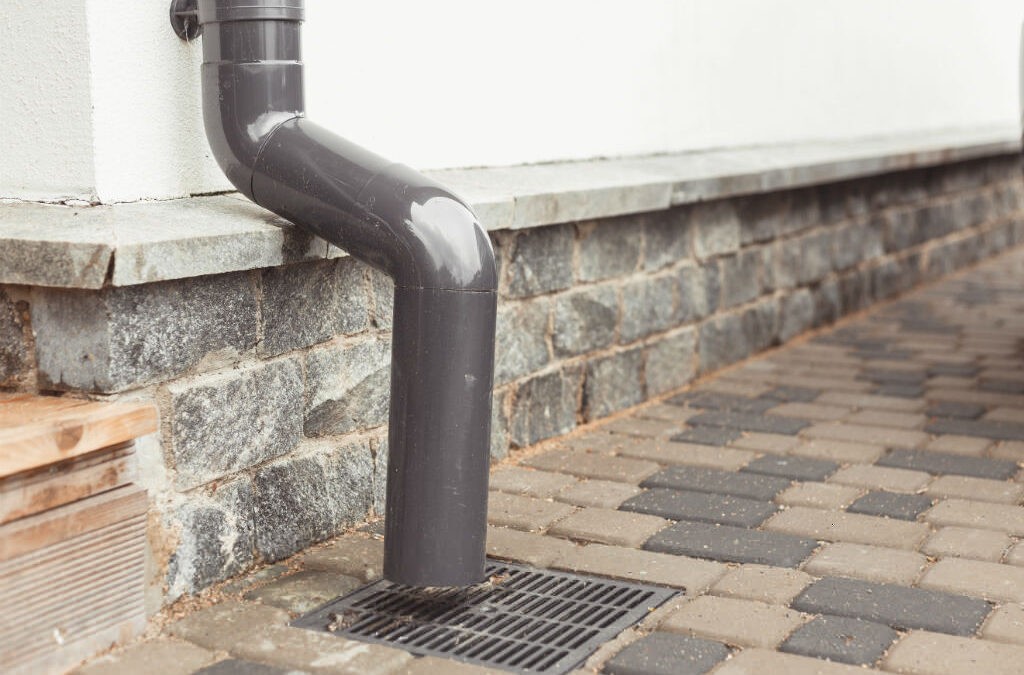
It’s a question we hear all the time – Do downpipes have to be connected to stormwater by law or regulation? We all know that local rules can be complicated and strict, so we want to do the right thing – but unfortunately, the answer is a little muddy and depends on specific council bylaws and circumstances. Generally, the answer is yes – connecting downpipe to stormwater is required, so that your stormwater is effectively managed and flooding and damage to your and neighbouring properties is minimised.
Do downpipes have to be connected to stormwater NSW?
As for the specific regulations, permits or approvals that apply to your particular circumstances, that’s something your local Sydney plumber can help you with.
But if you’re asking whether downpipes connecting to stormwater is a good idea, the answer is easy – most definitely yes!:
1. It’s just proper stormwater management
If that water has nowhere to go except into your stormwater drainage system, you won’t ever need to worry about water damage, flooding, erosion, and foundation damage.
2. Your property won’t be damaged
The primary reason for connecting downpipes to stormwater drains directly is to look after your foundation or other vulnerable areas of your own and surrounding properties.
3. Your landscaping won’t be damaged
You love your gardens, lawns and plant beds, right? Well, to look after them and keep them looking great, a direct downpipe connection is the ideal solution.
4. You won’t deal with soil erosion
When stormwater runoff is uncontrolled, the soil has no chance to get washed away and creating deep and serious erosion issues. The stability and quality of the soil surrounding your property are effectively guaranteed with a direct stormwater connection.
5. It’s safer
Pooling water is a major problem for various reasons, but one of them is to prevent slips and falls.
6. It makes rainwater harvesting easy
Why not direct your stormwater from the roof to your gutters, downpipes and straight into a rainwater tank – with all of the various and numerous benefits?
7. It’s just the responsible thing to do
You like being a responsible member of your community, don’t you? Ensuring your stormwater is impeccably managed protects local waterways, reduces the risk of pollution, and contributes to the overall well-being of the entire local community.
So how’s it done? Bear in mind that the specific installation process suitable for your particular building structure, materials, local regulations and preferences may differ – but your plumber will basically:
Plan & prepare by looking at the downpipe outlet locations and desired path
Cut the outlet on the fascia/eaves
Install the downpipe, connect the various sections, and fasten for stability
Create the stormwater connection by locating the connection point, determining the connection type, and ensuring a watertight connection
Test and adjust the final product by checking for leaks, adjusting the alignment, making modifications, and securing the fasteners/brackets.
Connecting a downpipe to stormwater with our help
Just want Rapid Service Plumbing to do all that difficult connecting downpipe to stormwater work for you? Our fully-licensed plumbers are ready to solve this and all other plumbing, drainage and stormwater system problems for you 24/7 – From the Hills District to the Upper North Shore, Sutherland Shire and everywhere in between. Plus we always offer no-obligation quotes, fixed upfront pricing and 100% guaranteed workmanship on every job big and small. Call the friendly team at Rapid Service Plumbing today.
Do you love your daily hot shower or bath? You’re not alone – and there’s no need to be embarrassed about it because we all feel the same! Steaming hot water feels like just as much of a human right as anything else that is essential for a comfortable, convenient life. Although entirely subjective, most people report that the loveliest temperature for that daily wash & relax is somewhere in the region of 38 to 43 degrees – but there are definitely some regulations to know about here in New South Wales as well. So let’s take a deep dive into the rules surrounding hot water temperature NSW-wide. But before we do, you may be wondering about it because:
In these cases it could be a problem with your hot water system leaking or otherwise in need of repair. Maybe your hot water system size is inadequate or there’s another issue with settings or pipes.
Regardless, you don’t need to put up with it when there’s a Sydney emergency plumber at Rapid Service Plumbing standing by! So, what temperature should your hot water be and why?
Hot water temperature regulations NSW
In part, the ideal hot water temperature is about looking after your hot water system and preventing the growth of harmful Salmonella and Legionella – which is why your system stores that hot water at least at 60-65°C.
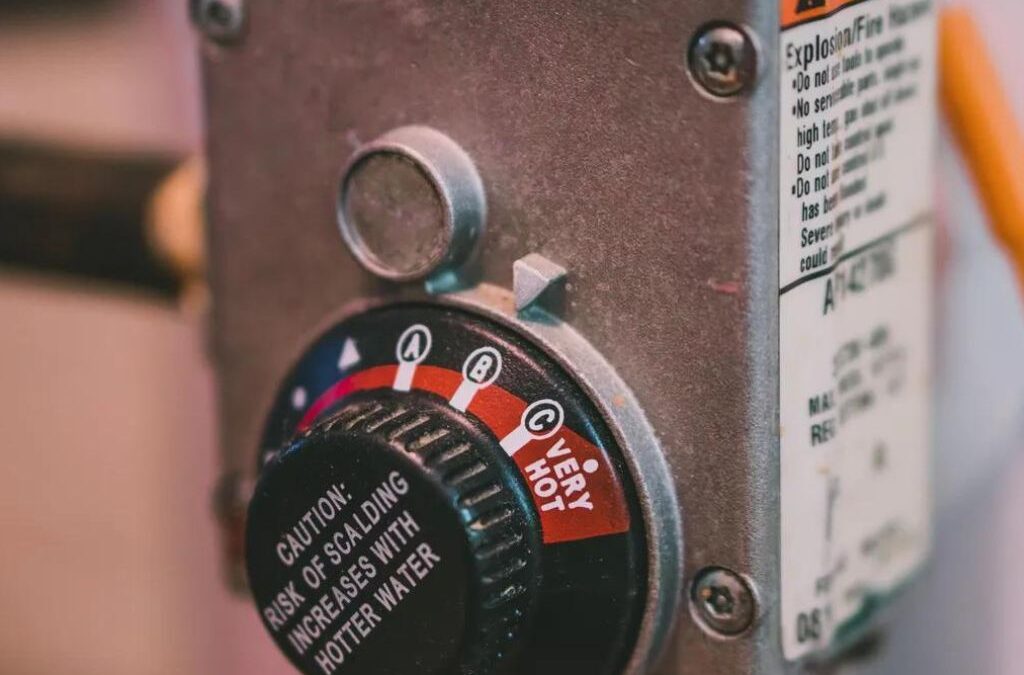
But at that temperature, children, the elderly and other vulnerable people – and even the rest of us – are at an unacceptable risk of scalding. That’s where thermostatic mixing valves come in, which automatically blend that searing hot water with cold water to achieve a safe and still-comfortable temperature whilst still minimising bacteria growth.
Temperature of hot water full Q&A
So what do you really need to know about the rules regarding hot water system temperature in NSW? We’ve heard all your questions, and here are all the answers:
Q: What is the maximum recommended temperature for residential settings?
To keep it simple, the hot water tap temperature needs to be 50C for most run-of-the-mill residential settings.
Q: Is this the same for everywhere in Australia?
Basically, yes. But, you should definitely check what the specific rules are in your particular state, although 50°C is a basic standard country-wide.
Q: Why is 50°C the ideal temperature for hot water from taps?
Well, at 65-70°C, a full-thickness scald occurs in less than one second – and hot water burns are considered some of the worst possible. At 60°C, it takes 5 seconds to similarly harm yourself with a third-degree burn, which can result in:
Extensive tissue damage that will not heal on its own
Loss of sensation/nerve damage
Scarring & disfigurement requiring skin grafts or surgery
Heightened infection risk
Long-term impairments & need for rehabilitation
But at 50°C, it takes five minutes of constant exposure to produce the same kind of damage.
Q: Are there any hot water temperature standards other than 50°C?
Yes – for child care centres and preschools in NSW, as well as primary and secondary schools, nursing homes and other facilities like that, the maximum is actually 43.5°C.
Q: How are these precise temperatures achieved?
We’ve referred already to thermostatic mixing valves, but there are other tempering valves that can do the job. Also, some hot water systems are pre-manufactured with max temperatures of 50°C.
Q: Who can install these devices for me?
To comply with the domestic hot water temperature regulations across NSW and beyond, as well as building codes and all other rules, you’ll need a licensed and qualified hot water plumber. They’ll ensure the installation adheres to all relevant state and local rules as well as Australian Standards, local building codes, and the guidelines set out by the NSW Department of Fair Trading.
Let us deal with hot water temperature for you
Just need a friendly, local Sydney plumber to handle all of those complex hot water temperature regulations NSW-wide for you? No matter your plumbing problem, the highly experienced team right here at Rapid Service Plumbing is always just around the corner – and available 24/7 with fixed pricing and fully-guaranteed workmanship. For a chat or obligation-free quote, get in touch right now.
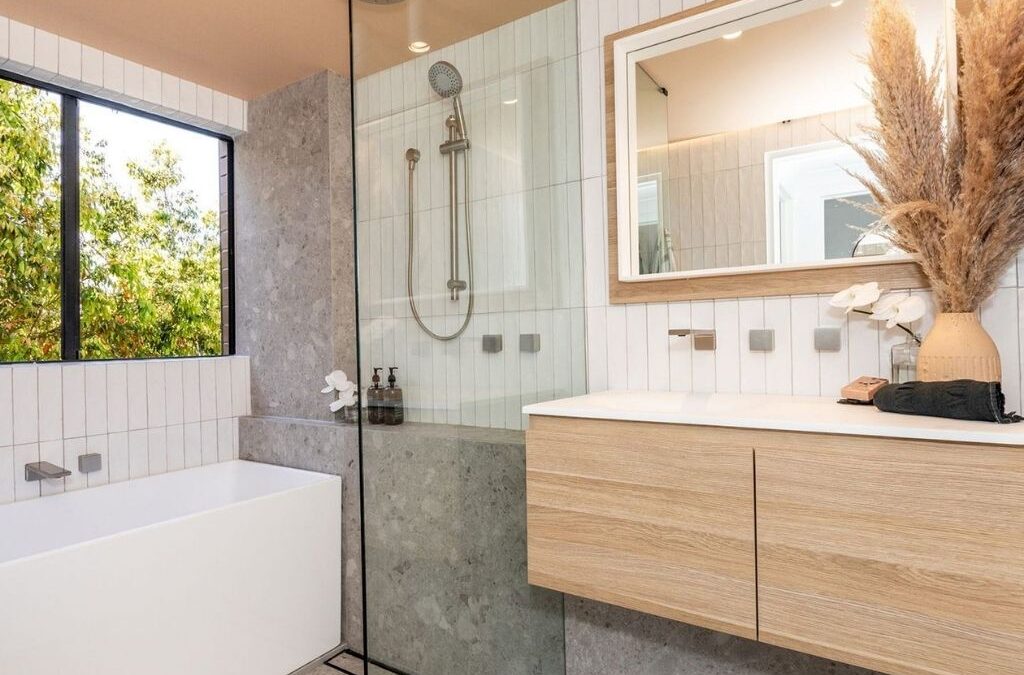
3 metres x 2 metres – that’s the average size for a bathroom in Sydney. At 6 square metres, that may sound small, but it’s actually enough to fit in a toilet, shower, vanity and cabinetry – and even a bath as well if you really need it! But it’s very possible that you have a bathroom space that is actually quite a bit smaller than that – and it can most definitely feel extremely squeezy without some of the smartest small bathroom ideas incorporated into the design.
The best small bathroom ideas in Sydney
But without even throwing out any of the basic amenities, fixtures and luxurious features you need in there, a small bathroom design can actually feel a lot roomier simply by renovating in adherence to some basic techniques for a real-life illusion of space. Here’s how:
1. Light colours
Stay away from the dark and bold colours that draw attention to the confined size and create a cramped atmosphere, and instead and make your tiny bathroom designs light, neutral, bright and open all around.
2. Natural light
You don’t need extra room to add a bigger window or a big, bright skylight, with all that extra natural light creating an airy and open atmosphere. For the window coverings, make them sheer or translucent if possible.
3. Artificial light
Light, light, light – the best small bathroom designs have a lot of light, whether natural or artificial. Get rid of the dark shadows and create an illusion of depth with targeted, task and accent lighting – with recessed lights adding extra space.
4. Mirrors
For a true illusion of space, you can never go wrong with mirrors. Make them large, multiple, and near the light sources as they magically open up space beyond the walls and bounce light all over the place.
5. Wall-mounted fixtures
In every way you can, opt for wall-mounted bathroom fixtures if possible. That goes for the toilets, the vanities, the cabinets and everything else – because it frees up floor space, creates a sense of openness, and eliminates the feeling of clutter.
6. Glass or open showers
For the shower, go for glass rather than frosted or a curtain. But an even better solution among these bathroom ideas for small bathrooms is to consider an open or doorless shower, which if designed well doesn’t need a screen at all.
7. Minimalism
If you can live without a bath, give it a miss. In fact, get rid of as much as you can as a general principle, including accessories, storage, furniture and purely decorative or luxury elements – because pure stylish functionality and open and clear sightlines are much better than an overwhelmed and cluttered space.
8. Smart storage
For the storage you will have, stay away from bulky cabinets or vanities and opt for open shelving or recessed storage niches.
9. Vertical design
Wherever you can add tall, vertical lines to your small bathroom ideas to draw the eyes upwards and create an illusion of height – like vertical stripes in the wall art or tall, slender fixtures such as floor-to-ceiling storage.
10. Continuity
Consider the same design for both the floors, walls and even the ceiling – a simple, seamless and visually-striking trick that tricks the eyes into thinking they’re looking at a much bigger space thanks to the elimination of boundaries.
11. Sliding doors
Create extra usable space by installing sliding rather than the usual swinging doors.
Is your bathroom tiny – and do you need us to help implement some of the best small bathroom ideas Sydney-wide & beyond with stress-free upfront pricing and a 100% workmanship guarantee for life? Give Rapid Service Plumbing a call today.
Is your roof looking a bit tired? Wondering what’s causing that water damage or missing shingles? As an Aussie homeowner it’s important to know the common causes of roof damage. This way you can protect your property and avoid costly repairs.
Our weather and the natural ageing process can damage your roof over time. In this article we’ll go through the 6 main causes of roof damage every Aussie should know. By knowing these and what to look out for, you can address minor issues before they escalate and necessitate replacing the entire roof. This proactive approach can keep your roof in top shape for years to come.
Quick Facts
Weather events like high winds, hail and heavy rain can cause roof damage
Natural ageing and lack of maintenance can cause wear and tear over time
Poor installation or cheap materials can cause premature roof failure
Blocked gutters and pest infestations are sneaky culprits to overlook
Regular inspections and repairs will extend your roof’s life
So let’s get started and find out why your roof is suffering. By the end you’ll know what to look out for. Then you can take action to keep your home safe and dry.
Weather Damage and Roof Leaks
As an Aussie homeowner it’s important to know how weather can damage your roof. Storms, hail and ice can all damage your roof over time. We’ll look at how high winds, hail and ice and snow can damage your roof.
High Winds and Storms
Severe storms can cause a lot of damage to your roof. Winds over 50km/h can lift and tear shingles. This lets moisture in.
If you see missing, curled or cracked shingles after a storm, fix them quick. This will stop more wind damage to your roof.
Roof Hail Damage
Hailstorms can damage your hail damaged roof badly, causing dents, cracks and holes. Hail can weaken your roof and make it more prone to leak.
If you’ve had a hailstorm, check your roof for hail damage. Get professional repairs if you find any damage.
It is crucial to file an insurance claim promptly after experiencing hail damage. Contact your insurance company to obtain estimates and secure reimbursement for the necessary repairs.
Ice and Snow Buildup
Ice and snow can damage your roof too, although it’s less common in Australia. When snow melts and freezes again it can block water flow. Trapped water can lead to a roof leak, causing ice damage and potentially resulting in moisture accumulation, which can lead to mould infestation and further structural damage.
Regular roof checks and good attic insulation can prevent ice and snow damage.
To see how weather can damage roofs in Australia, see the table below:
Weather Event
Potential Damage
Repair Urgency
High Winds and Storms
Missing, curled, or cracked shingles
High
Hail
Dents, cracks, and holes in shingles
Medium to High
Ice and Snow
Ice dams, leaks, and moisture damage
Medium
By fixing weather related roof damage quick you can keep your home safe. If you think your roof has been damaged call a professional for a check and storm damage roof repair.
Age and Wear and Tear
Even the toughest roofs can wear out over time. Roof lifespan depends on the material used. But all roofs will need a new one eventually. Knowing when to replace your roof can save you from costly repairs.
Asphalt shingles: 20-30 years
Terracotta tiles: 50+
Concrete tiles: 30-50 years
Metal roofs: 40-70 years
When your roof is reaching the end of its life look out for:
Cracked, curled or missing shingles or tiles
Rust or corrosion on metal roofs
Sagging or uneven roof deck
Granules from asphalt shingles in gutters
Daylight visible through the roof boards in the attic
Get a pro to check your roof regularly. They can spot problems before they get worse. Fixing small issues early can extend your roof’s life and avoid a full roof replacement too soon.
Poor Installation or Roof Repair Maintenance
Even the best roofing material can fail if not installed or maintained properly. Roof installation damage from poor work or neglect can cost a lot and shorten your roof’s life.
Poor Workmanship
Hiring an unskilled contractor can cause roof installation damage. Look out for:
Uneven or sagging roof deck
Improperly installed or missing flashing
Nails in the wrong place or overdriven
Not enough or improper sealing around vents, pipes and chimneys
Lack of Maintenance
Poor maintenance can also shorten your roof’s life. Regular checks and quick roof repairs are key to keeping your roof in good shape. Here are some important maintenance tasks:
Clean gutters and downspouts
Trim overhanging tree branches
Replacing damaged or missing shingles
Sealing around vents, pipes and chimneys
Insufficient Ventilation
Insufficient roof ventilation can cause heat and moisture to build up in your attic. This can age your roofing material too quickly. Roof vents help prevent heat and UV damage by reducing heat buildup in attics, which minimizes the risk of deterioration caused by prolonged sun exposure. Good ventilation keeps your attic cool and dry and prevents damage and mold. Make sure your roof has enough vents for airflow.
Pests and Debris
Your roof faces many threats, not just the weather. Pests and debris can also damage it and cost you big time if ignored. We’ll look at how animals and tree debris can damage your roof. However, while these issues are concerning, they do not always necessitate a full roof restoration.
Animal Intrusions
Animals like rodents, birds and insects can seriously damage your roof. They can make holes or gaps and let water in and cause more damage. Common pests include:
Rats and mice chewing through roofing material
Birds nesting in gaps or under eaves
Termites and carpenter ants weakening wooden structures
To stop pest damage to your roof try:
Prevention Method Description Regular inspections Look for animal signs and fix problems quickly Seal entry points Block gaps, holes or cracks to keep animals out Trim nearby trees Keep animals from reaching your roof with branches
Tree Branches and Leaves
Tree branches and leaves can also damage your roof. Branches can scratch or dent shingles and leaves can trap moisture and cause leaks. To minimize damage:
Trim trees near your home to prevent branch contact
Remove leaves and debris from your roof and gutters
Consider gutter guards to stop debris buildup
By addressing animals and tree debris early you can save your roof. This will avoid costly repairs from pest and debris damage.
Identifying Roof Damage
Identifying roof damage can be a challenging task, especially for homeowners who are not familiar with the signs and symptoms of roof damage. However, it is essential to identify roof damage early on to prevent further damage and costly repairs.
Signs of Roof Damage
There are several signs of roof damage that homeowners should be aware of. These include:
Missing or Damaged Shingles: If you notice that some of your roof shingles are missing or damaged, it may be a sign of roof damage. Missing shingles can leave your roof exposed to the elements, leading to further damage.
Cracked or Split Shingles: Cracked or split shingles can be a sign of roof damage, especially if they are caused by large hailstones. This type of damage can compromise the structural integrity of your roof.
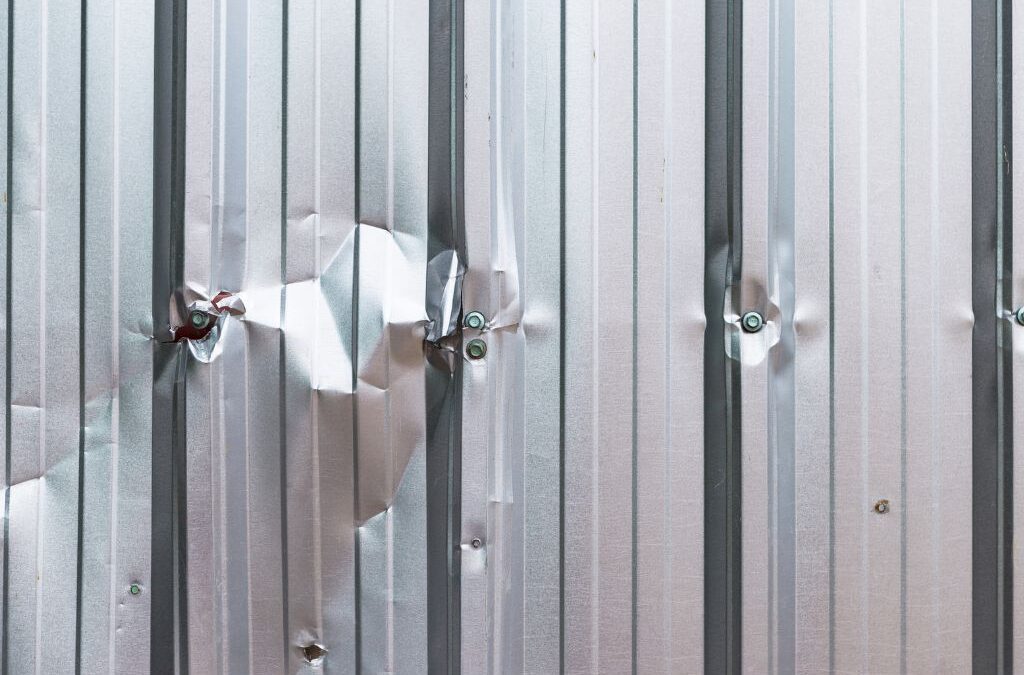
Dents in Metal Roofing Material: If you have a metal roof, dents in the material can be a sign of roof damage. Dents can weaken the roof and make it more susceptible to leaks.
Cosmetic Damage: Cosmetic damage to your roof, such as cracks or breaks in the roof material, can compromise the structural integrity of your roof. Even minor damage can lead to significant problems if left unaddressed.
Leaks: Leaks are a common sign of roof damage, and they can cause significant damage to your home if left unchecked. Look for water stains on your ceiling or walls as an indication of a leaking roof.
Water Damage: Water damage can be a sign of roof damage, especially if it is caused by a leak in the roof. This can lead to mold and mildew growth, which can be hazardous to your health.
Sagging Roof: A sagging roof can be a sign of structural damage, which can be caused by roof damage. This is a serious issue that requires immediate attention.
Daylight Showing Through the Roof Boards: If you can see daylight showing through the roof boards, it may be a sign of roof damage. This indicates that there are gaps or holes in your roof that need to be repaired.
By being aware of these signs, you can identify roof damage early and take action to prevent further issues. Regular inspections and maintenance are key to keeping your roof in good condition.
Roof Leaks and Water Damage
Roof leaks and water damage can be a significant problem for homeowners. Roof leaks can cause extensive damage to your home, including damage to the walls, ceilings, and floors. Water damage can also lead to mold and mildew growth, which can be hazardous to your health.
We’ll deal with your roof problems for you
But wait – there is some good news! All of these issues can be minimised with regular roof inspections, proper maintenance, prompt repairs of minor issues, well-devised ventilation, quality installation and regular cleaning. And the even better news is that Rapid Service Plumbing is your friendlySydney roof plumber who can handle it all and even more including:
We’re even available24/7 for emergency plumbing and storm damage repairs, making us your one-stop shop for all of your plumbing,hot water,gas fitting, roof services and other general household and commercial plumbing needs and more. Get in touch withRapid Service Plumbing today for a no-obligation quote.