by RSP Crew | May 22, 2023
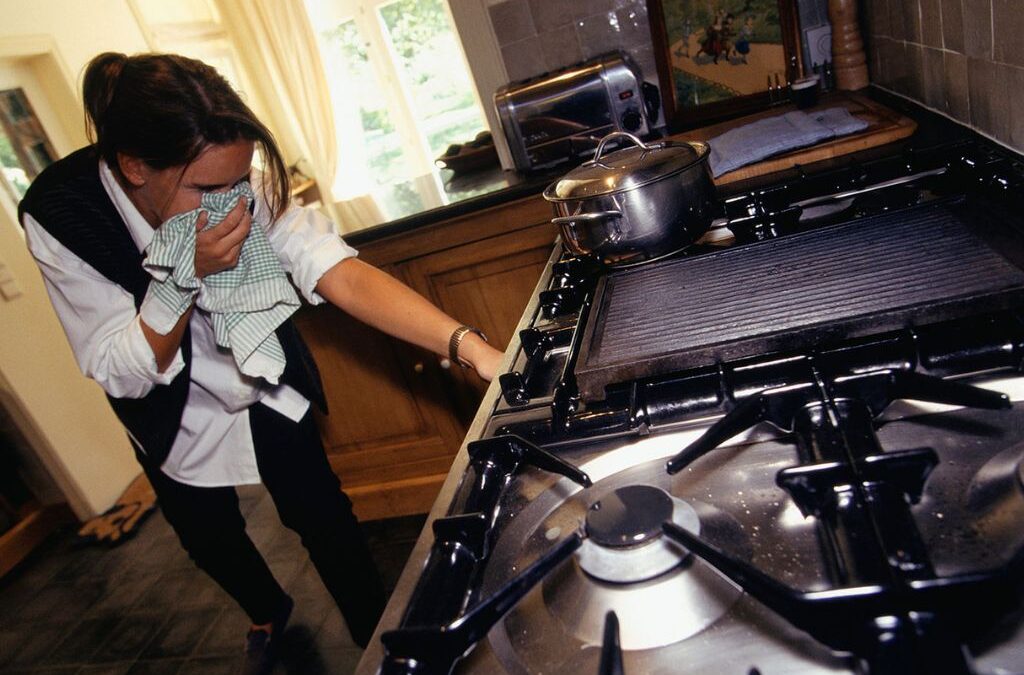
Spotting a huge spider or a menacing-looking rat is pretty scary, but so too is a sudden blackout or a light fitting crashing to the flood in the dead of the night. But do you know what’s even scarier when you’re at home? The whiff of gas. If your home is experiencing a gas leak, do you know what to do?
Gas leak – What to do
- Do you smell rotten eggs?: That could be the additive called mercaptan, which is deliberately added to LPG and natural gas to make you worried.
- Do you hear hissing or whistling or see hazy air?: That could be the alarming sounds and sights of escaping gas from a gas appliance, pipe or connection.
- Has part of your garden died?: That could be an underground gas line experiencing a leak, causing discolouration or death of vegetation and plants.
- Do you feel unwell?: A very slow gas leak can be impossible to detect until there’s enough in the air and your lungs to cause physical symptoms like headaches, dizziness, nausea or even difficulty breathing – and worse.
Gas leak in house what to do – 10 steps to follow
If you’ve got even a sneaking suspicion that gas could be leaking, it’s important not to panic – but you absolutely must act urgently and immediately. Do the right things and you, your home or building, and your family or clients will be just fine:
1. Act quickly & calmly
While you absolutely must not panic, that doesn’t mean you don’t have to act quickly and with purpose. So tell yourself that everything will be ok – and then let’s urgently proceed.
2. Evacuate
It’s important to get out of there – now. If you have time, open every door and window for ventilation, but otherwise, just make sure that all the people and pets leave as soon as humanly possible.
3. No flames or sparks
The absolutely worst thing you can do around leaking gas is to create even a single spark – because the next thing that could happen is a giant ‘KABOOM!’ That means not even turning on a switch, using any electrical equipment – even a phone.
4. Turn off the power
If you have time, turn off the mains electrical power. But if you don’t have time, just get to a safe location away from the property and wait for help.
Gas leak – Who to call in a gas leak
Now that you’re away from the property at a safe distance, and clear of any potential explosions, flames or gas fumes that may harm you and others, it’s time to call for professional help. Want to know what numbers to call?
5. Call emergency services
If you need police, fire or medical assistance right now, there’s no number to call except 000.
6. Non-emergency police assistance
If you still think the police need to know about your situation but no one’s life is in immediate peril, the number to call is 131 444.
7. 1800 GAS LEAK
You should also report a gas leak, especially if you can still smell it in the street or beyond your own home, by calling 1800 GAS LEAK (1800 427 532). Don’t worry, you can call 24 hours a day, 365 days a year.
8. Call your gas provider
There are multiple gas providers in and around Sydney, so whip out a gas bill and call the one that is relevant to your property. If they have a customer service or emergency contact number, that’s the one to call.
9. Call local authorities
If you’re at a loss or need help from your local authorities or government agencies to report a gas problem, try the New South Wales Department of Planning, Industry, and Environment – or the Energy and Water Ombudsman NSW.
10. Call your neighbours
It’s also a good idea to give your neighbours a courtesy call to let them know what’s going on, or your property management authorities or landlord if you’re in a shared or rented property.
Gas leak what to do – Call Rapid Service Plumbing
Gas emergency all sorted? Remember, Rapid Service Plumbing also offer 24 hour Sydney emergency plumbers & gas fitting services – so if you detect that familiar and foul whiff of gas, give our friendly, licensed and attentive team a call and we’ll know exactly what to do instantly. Once any emergency is sorted, we’ll professionally inspect your entire gas system and all appliances to get to the bottom of what’s wrong and put it right or replace it.
Need a Sydney gas fitter? For 24/7 services, advice, obligation-free quotes and fully-guaranteed workmanship for life, Rapid Service Plumbing will know what to do if you have a gas leak. Never hesitate to give us a shout.
by RSP Crew | May 11, 2023
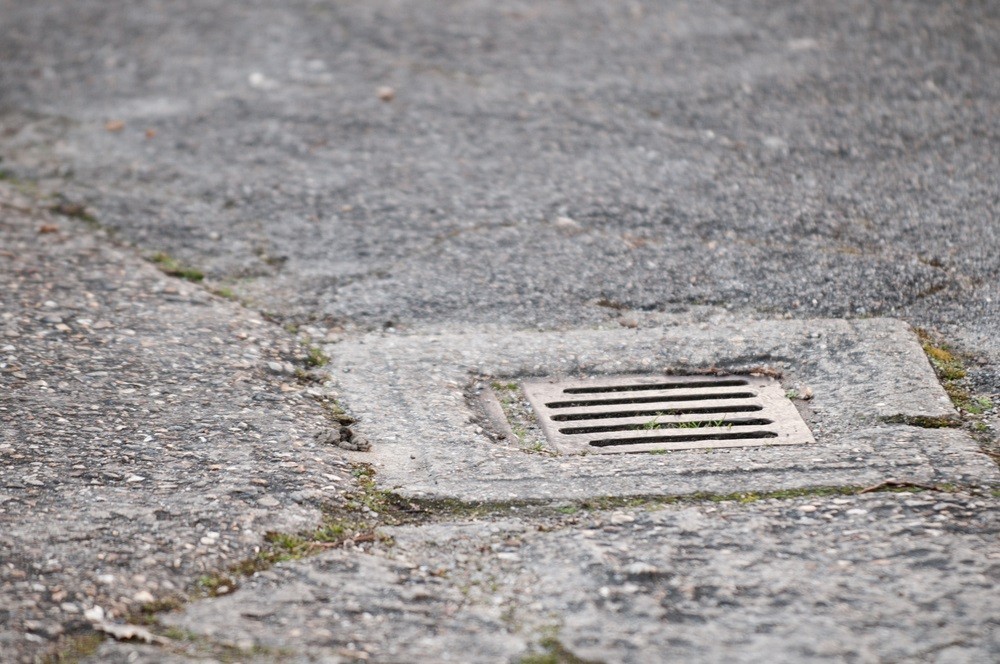
Kitchen sink hopelessly blocked? Try some baking soda, white vinegar and a kettle of water. Toilet backed up? It’s time to get that plunger out – and don’t spare the elbow grease! But while dealing with a run-of-the-mill internal household drain might sometimes be no big deal, it can be a completely different story if you’re dealing with an outside drain. So, today, we’re taking a deep dive into how to unblock a drain outside.
First, the good news: outside drain blockages are not only less common than sinks blocked up with food and gunk, but they’re also usually easier to clear. Why’s that? Because sometimes it’s just a visible and obvious obstruction caused by leaves and other storm debris after a serious downpour.
And now for the bad news: when you are dealing with an outside drain blockage and using your hands to pull out any debris hasn’t worked, you’ve suddenly got a more-difficult-than-usual plumbing problem on your hands.
7 steps for how to unblock a drain pipe outside
But don’t whip out the number of your friendly local plumber in Sydney just yet! Instead, put on your confident do-it-yourself cap and let’s have a go at being an amateur outside drain unblocker!
1. Find the offending drain
First, identify what outside drain is causing the problem. Found a drain cover and have no idea what to do? The wisest move is probably to skip to the final step right now to avoid making the situation any worse. Good try though, but we never promised that learning how to unblock an outside drain would be easy!
2. What’s gone wrong?
If you’re proceeding, well done to you! Now, ask yourself a few questions:
- Is the blockage visible?
- Does it look like simple storm debris?
- Are you getting the feeling that drain/pipe damage has been done?
3. Grab your tools
If you’ve got a drain rod or something good enough to get the job done, let’s start with that. And while you’re grabbing yours, also locate your bucket, garden hose, gloves, and any protective gear to look after your eyes, mouth and airways.
4. Let’s get started
If you’re lucky, pull on those gloves and whip out all of the offending storm debris. Did that clear the drain? If not, you’re going to need your drain rod (or DIY drain rod) from the previous step.
5. Smash up the blockage
Are you using a DIY drain rod? If so, you may discover its limitations at this point – because with a real plumber’s drain rod, you can keep adding another section to get deeper and deeper into the blockage.
Just make sure, with all that smashing and whacking, that you don’t break anything. Because smashing up your drains really will require a plumber – stat!
6. Where’s that hose?
Your plumber may use an ultra-hot, ultra-high pressure, ultra-expensive version! But your garden hose may just suffice – just make sure it’s cranked up to the max!
Here are some tips:
- Point the maximum water flow straight into the heart of the drain
- Don’t worry if it makes a big, dirty, wet mess!
- Once done, use another bucket of elbow grease with that drain rod again
- Repeat.
7. How’s that blockage?
How did you go? Great success? Or do you need to find the number for a friendly local plumber?
If the answer to that final question was “unfortunately yes”, don’t stress too much! Here at Sydney’s favourite outside drain unblocker, we absolutely love cleaning drains in Sydney of every kind and complexity – and we do it all with a smile on our faces!
It’s just your good luck that our 5-Star rated services cover the entire Sydney region like Canterbury-Bankstown, City of Sydney, Eastern Suburbs, Hills District, Inner West, Sutherland Shire, and even beyond, with highly experienced, fully-licensed and always-smiling plumbers that have all the:
- Up-to-date training
- Hands-on experience
- The most specialised tools, equipment & products.
So stop stressing, grab a coffee, and instead of stressing out give Rapid Service Plumbing a call right now. You won’t regret it!
by RSP Crew | May 4, 2023
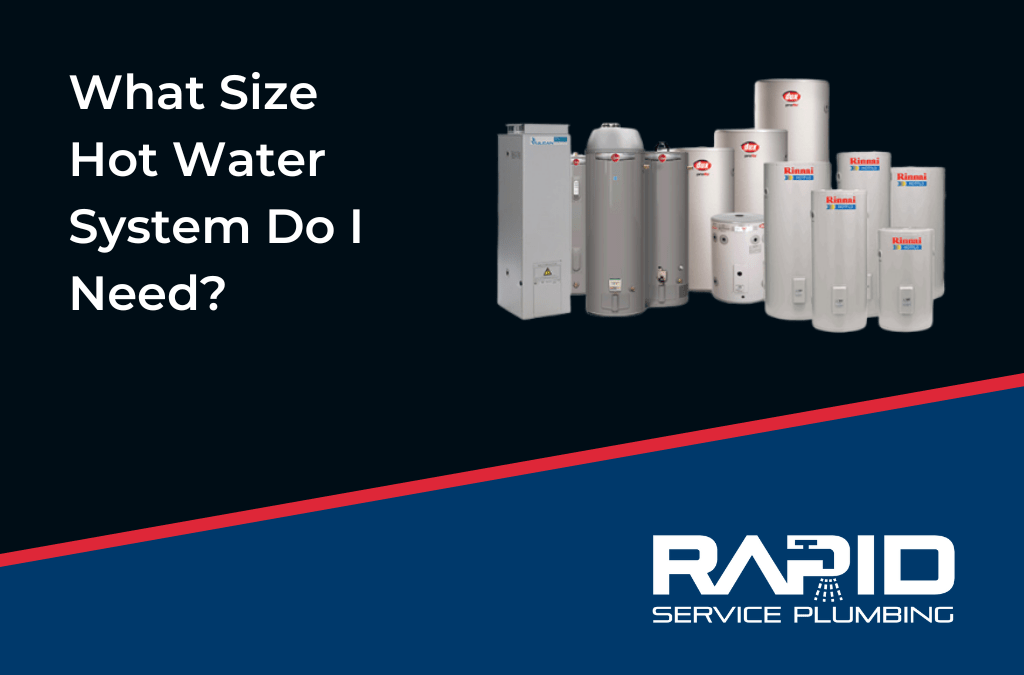
A hot shower or bath isn’t just a hygienic luxury, it’s great for calming the muscles and the mind, improving sleep, reducing inflammation and joint pain and improving circulation. And it’s not just about the bath or shower, either – because you also rely on your hot water system to wash the dishes, clothes, for cooking, cleaning and more. But do you keep running out of water, day after day? Knowing what size hot water system to buy in the first place is the best way to avoid that cold and frustrating problem.
What size hot water system do I need?
Updating your hot water system so you don’t keep getting stuck under a cold stream of water? There are even a few other reasons to ensure you make the right choice from all of those various hot water system sizes:
- Don’t run out of water: If the tank, power or capacity size is too small, there won’t be enough pre-heated and stored hot water to get you from one main heating cycle to the next.
- Be energy & cost-efficient: It’s not just about avoiding a hot water system that is too small – too big for your household’s needs, and you’ll just be wasting money on both the bigger ticket price and the ongoing energy costs.
- Make your system last: If you ask an underpowered instantaneous hot water system to work too hard each day, it’ll dramatically speed up the wear and tear process. To keep those maintenance, repair and replacement bills low, a well-sized system is a must.
Convinced that choosing wisely from all those hot water system sizes is critical to keep those steaming showers flowing? Our Sydney plumbers have come up with a step-by-step guide on how to get a head-start on matching the right-sized hot water system to your property, family and needs:
1. What’s your overall demand?
Did you know each person in your home uses somewhere between 50-75 litres of hot water each and every day? For a family of four, that’s 200-300 litres per day – a helpful early guide to the sort of system capacity and tank size you’ll need. However, some people have big full baths, and very long showers – whilst others have short showers or even cold showers!
Also factor in the number of bathrooms in your home, as well as the non-bathing appliances that use hot water.
2. Try a hot water calculator
Most hot water system manufacturers or plumbers will be able to refer you to their own or third-party sizing charts and hot water usage calculators that are quite helpful for matching your home & lifestyle to the right system.
3. What flow/delivery rate do you need?
As well as tank capacity, two other critical considerations for hot water system sizes are the flow and the delivery rates. That’s basically the rate at which hot water is capable of being delivered from the system into your home and out of the taps at any given time. Get it wrong, and your shower could be a trickle rather than a satisfying flow, especially when another hot tap or outlet is turned on elsewhere in the home. As a rough guide:
- Electric hot water systems‘ flow rate is typically 20-25 litres per minute
- Gas hot water systems‘ flow rate is typically a little higher – up to 40 litres a minute on average
- Depending on the capacity, instant hot water systems have variable flow rates but the average is 10-32 litres per minute.
- The water pressure in your area can affect the hot water flow rate.
We’ll help you choose hot water system sizes
However, it’s also important to consult with a hot water system plumber before deciding on the right hot water size, because you’ll also need to factor in the hot water system installation, the available energy sources, ongoing maintenance considerations and the best brands and warranties.
And here at Rapid Service Plumbing, we’ve installed, repaired and worked on so many different properties and hot water technologies that we can easily recommend the perfect hot water type, size, and model for your home & budget – no worries! For a no-obligation consultation & quote with a $0 call-out fee all across Sydney and beyond, get in touch with Rapid Service Plumbing’s hot water specialists today.
by RSP Crew | Apr 3, 2023
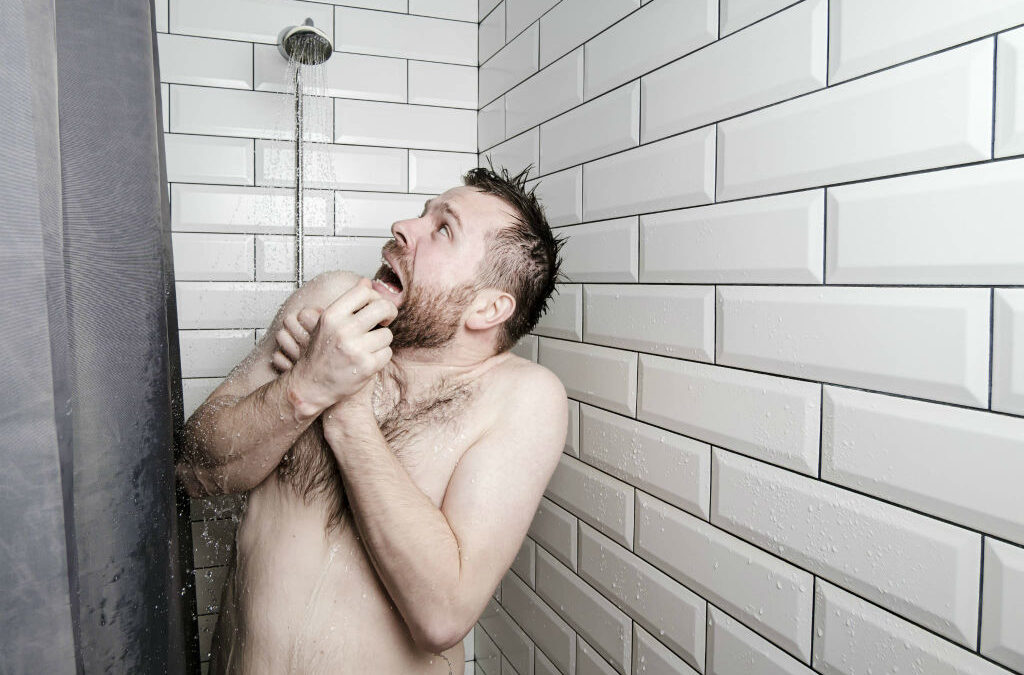
Have you just stepped out of the shower and all you got was a pathetic trickle? Is the cold water at the pressure you expect, but every time you turn on that hot tap nothing much happens? If it’s taking longer than your patience can bear to fill up that bath, that’s called low hot water pressure – but what causes it, and what can you do about it? Let’s take a deep dive into low hot water pressure:
What causes hot water low pressure?
To be honest, you’re probably going to need a local Sydney plumber either way – because hot water low pressure is most likely going to be traced to your hot water system. For example, it could be:
- Sediment build-up: Don’t forget, the hot water coming out of your taps isn’t pure H2O. It’s also full of certain minerals that, over time, can turn into sediment that then builds up in your hot water system – and affects the way that hot water flows into your home.
- Clogged/leaking pipes: It’s also very common that the pipes and fittings in and around that hot water system, or the plumbing it feeds, have become clogged by these mineral deposits as well. Your hot water supply pipes are also prone to the same sorts of plumbing issues that affect your cold plumbing pipes, too, like leaks – that can obviously cause low-flow problems.
- Bad valves: Valves play a critical role in your home plumbing – especially with that hot water system. To cut a long story short, if those valves can’t fully open, the hot water won’t flow as well as it should.
No hot water pressure? Try these 4 checks
Do you have low or no hot water pressure at your place? The best advice is to get in touch as soon as you can with a licensed plumber. Why’s that? Because they’ll know exactly what to do to diagnose and resolve the issue in full compliance with regulations and without doing the sort of DIY damage that these professionals so often have to come and fix anyone – at extra expense to you!
But while you’re waiting for them to arrive, you could always check:
1. The cold pressure
First things first: is it really no hot water pressure you’re struggling with, or no water pressure at all? If the flow from the cold taps is as pathetic as it is from the hot taps, you can rule out the hot water system.
2. Check the shut-off valve
If the hot water system valves are the culprit, the leading candidate is probably the shut-off valve. So check whether it’s fully open or looking in good condition.
But it could also be these 3 offending valves:
- Pressure-reducing valve: Find it near the main water supply line
- Tempering valve: It’s found on the system’s hot water outlet
- Check valve: Also located on the hot water outlet, a malfunctioning one may be allowing hot water to flow back into the system rather than out of it.
3. Check for sediment
If sediment build-up has ground your hot water pressure to a halt, a full system flush can help. Look up how to do it, but basically, all you have to do is completely drain all of the existing water out of your system and then allow it to completely fill up again once you restore the power.
4. Check for leaks
Give the tank, the pipes, the fittings and the valves a check for any signs of leaks. Because even a minor hot water system leak can keep depriving your system of water to such a degree that you end up with low hot water pressure in whole house.
Call us when you have low hot water pressure
Still struggling with that poor hot water pressure? If you’ve tried our 4 DIY checks, it’s time to get the best brains, experience and tools on the job – and the easiest way to do that all across Sydney & beyond is by giving the friendly team at Rapid Service Plumbing a shout. We’ve helped thousands of Sydneysiders just like you with fully-guaranteed workmanship and all the best tools, parts and hot water system repair expertise, so call Rapid Service Plumbing today.
by RSP Crew | Mar 17, 2023
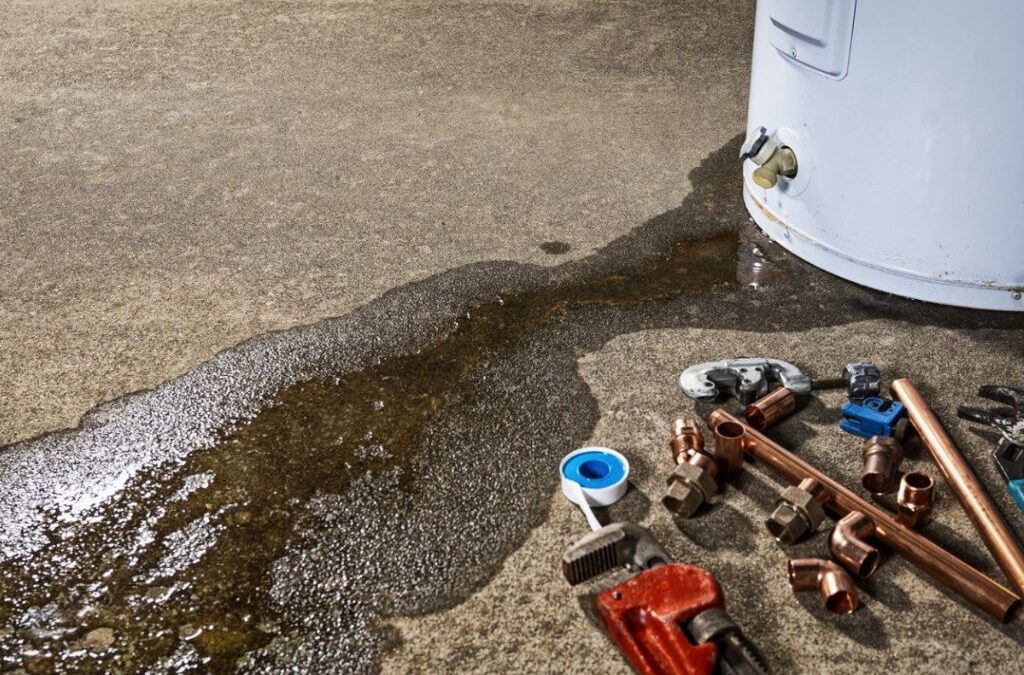
Is your hot water system playing up? It might just blow your mind, but the average Australian plumber will work on literally hundreds of misbehaving hot water systems each and every year – because it’s one of the most common call-outs. Systems that produce only cold showers, noisy units that churn out discoloured water, strange noises, gas or electricity supply issues – they’re all super-common. But perhaps the most alarming and serious of all the common problems is a leaking hot water system.
A hot water system leak is a big deal
So what should you do if you notice your hot water system leaking? It may seem like just a few drops, or that a more serious leak of harmless is not really a big deal, but bear in mind that a hot water cylinder leaking water can cause:
- Water damage: Leaking water anywhere in or near your home can damage your floors, walls, ceilings, promote the growth of harmful mould and bacteria – and even damage your building’s very foundations.
- Big bills: It’s not just that extra water you’ll have to pay for, but also more gas or electricity as your system works overtime to compensate for the constantly-leaking water. And if you just stand back and ignore a minor leak, it could become a much bigger one – costing you even more in repairs or full system replacement.
- Electrocution risk: Remember, your hot water system is also an electronic device – and we all know that water and power can have fatal consequences if they get together in an unintended way. If that leak gets near the heating element or the thermostat, the next problem could be a deadly ‘zap!’
- Risk of explosion: If the leak – or the underlying cause – is extreme, immense pressure can build up inside the tank to such an extent that it can even explode.
It is therefore critical to recognise that a hot water system needs to be dealt with straight away, and by none other than you – even before your emergency plumber in Sydney can get to your place. Is your hot water service leaking? If you’re wondering how to fix a leaking hot water system, here’s what to do:
1. Turn off the power
Sure, a leaking hot water system is a soggy problem – but let’s not start mixing that water with its energy source or any nearby electronics and wiring, shall we? So no matter what its type is – gas, electricity or solar – it’s time to switch it off. You can do this even without touching it at your home’s main switchboard, and if it’s powered by gas, turn off the supply at the main valve.
2. Turn off the water
Let’s not make the problem any worse by adding more water to the system. So, to be extra careful, turn off the water supply valve at the actual hot water system as well as at the mains control.
3. Turn on the hot taps
If it’s a slow leak, it’s going to keep happening in an uncontrolled and potentially very damaging way until that tank is completely empty. You can therefore fast-forward the process and control where most of the stored water goes by turning on the hot taps inside your home. Once it’s all gone down the drain, there’s nothing left to leak.
4. Identify the problem
You could and probably should, of course, leave this step to your friendly licensed plumber, who will know exactly how to diagnose and hopefully repair the problem. But while you’re waiting for them to arrive, consider that the culprit could be:
- Faulty valves
- Tank corrosion
- Plumbing connection leak
- Loose element bolts
- Worn gasket.
5. Document the damage
If you think you might be needing to lodge an insurance or warranty claim, also take the opportunity to take as many photos as you can both of the misbehaving hot water system and any damage it may already have caused.
Hot water service leaking? Call the Pros
Has your friendly local hot water plumber arrived yet to deal with your hot water leak? Here at Rapid Service Plumbing, we’ll rapidly diagnose the problem, replace a part to implement a hot water repair, or recommend full system replacement from one of the most trusted hot water brands across Sydney & beyond. It may be the perfect opportunity to make the switch to an instantaneous hot water system, which obviously will have no tank at all that can start leaking in the future, or you could switch energy source or upgrade to the latest and most energy-efficient technology with all the modern bells and whistles.
Is your hot water leaking? Remember, the most trusted local fast response Sydney plumbers team here at Rapid Service Plumbing is on duty 24/7, so don’t ignore it, give us a shout today – and we’ll do the rest.