The 2 Main Types Of Hot Water Systems In Australia
We all know what a hot water system is: it’s the clever technology that makes our showers and baths so steaming and enjoyable. But did you know that up to 25% or more of the average home’s energy costs are spent heating up that water? With that in mind, it’s a good idea to brush up on the main types of hot water systems Australia-wide, so you get the best bang for your buck and lifestyle.
Just 2 hot water system types in Australia
It may seem like there are many, many types of hot water systems out there – but there are actually just two main ones:
1. Storage/tank systems
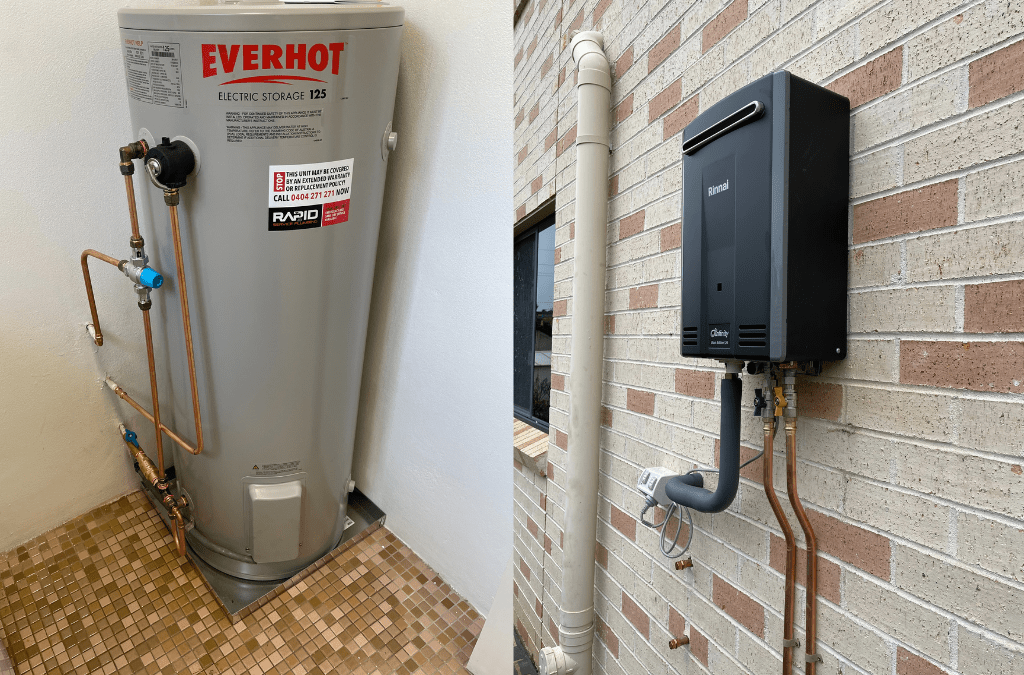
If you’re old enough to remember life before the popular, sleek instantaneous (or continuous flow) hot water system types of today, then you’ll be very familiar with the tank-based system – still the most common type of hot water system in the developed world.
Essentially, the tank – of various sizes – stores the pre-heated water so that it’s ready to be delivered to your hot tap when you turn it on.
The insulated tanks are made of metal that is sometimes glass or enamel lined, as that stored water contains many minerals that speed up the process of corrosion – a major cause of storage tank system failure and leaks. Most tank-based systems also feature a sacrificial anode rod that will attract the corrosion away from the tank and need to be replaced now and then.
The most affordable tank-based systems are typically the most traditional electric element-heated hot water heaters on the market, although the slightly more expensive-to-buy but efficient-to-run gas-powered tank systems are also very popular for those with natural gas connections or LPG bottles.
Tank systems are also paired with popular home solar power setups and the ultra-modern ‘heat pump’ hot water technology, which still uses electricity but is arguably the most efficient hot water system as it extracts heat energy from the ambient air – like a fridge in reverse.
2. Instantaneous/continuous-flow systems
Also referred to as the ‘tankless’ hot water systems, these are the slick units that are normally attached to the outside of a home – although indoor installations are also possible, making it a particularly tidy setup indeed. The gas-powered hot water units, however, require sufficient ventilation.
For around the same price as a typical tank system, the big benefit of the instantaneous types of hot water systems is right there in the name – because the hot water is almost ‘instant’ when you turn on the tap and you’ll literally never run out of water so long as there is a power supply. The technology achieves this by heating only the water you ask for while the hot tap is open, so there’s no energy lost while the hot water sits in a big tank all day and definitely no need to worry about corroding storage tanks.
Like the tank systems, your natural gas or LPG connections will work perfectly with an instant hot water unit – with the gas versions featuring either electronically ignited burners or a constant pilot light.
And while tank systems also feature impressive controls, the most sophisticated and energy-efficient technology is aboard the instantaneous systems – because, from shower to shower, you can customise the way the water you’re about to use is heated. More traditional hot water systems deliver the desired temperature by diluting steaming hot water with cold water, but the instantaneous thermostats simply heat the cold water to the right setting. There is some efficiency lost, however, in the heating up process – like if you just want to fill a single glass with hot water.
What is the best hot water system for you?
Are you ready to choose the most efficient hot water system for your home, lifestyle and budget? First, you’ll need to consider:
- Your heating method: Electricity, natural gas, LPG, solar or heat pump.
- Tank or instant system: Heat it now and use it later, or heat it as you go?
- Size/capacity: Too small, and you’ll either keep running out of water or struggle to use multiple hot water outlets at the same time. Too big and you’re just wasting money, space and energy efficiency.
- Cost: Don’t forget, there’s the ‘ticket price’, any subsidies or rebates for solar or energy efficient technologies, and the ongoing running costs.
- Energy efficiency: Highly efficient systems keep the running costs down and minimise your carbon footprint.
We’ll guide you through your hot water options
Your particular home, behaviour and budget will play a big role in which types of hot water systems make the most sense, so if you need a little expert guidance, get in touch with the friendly Sydney plumbing team at Rapid Service Plumbing. We’re among Sydney’s most trusted names for same-day hot water installations, repairs and servicing across the entire technological range, so call now for advice and an obligation-free quote.