by Prapti | Oct 19, 2024
Let’s talk about water leaks. Seems like just a minor inconvenience when you think about it, no? But it’s not. Did you know that water damage accounts for 24% of QBE’s home insurance claims, with the average claim at $5,000 and severe cases exceeding $500,000? That’s a staggering amount spent on fixing water leaks!
Water leaks can be more than just an inconvenience—they can evolve into major emergencies that risk damaging your property, disrupting your daily life, and even putting your health and safety at risk. Which is why identifying them as the right ones is extremely important. And that’s exactly what we’ll help you with today.
In this blog, we will explore the various scenarios where water leak detection is considered an emergency and why immediate action is necessary.
1. Water Leaks
Not every leak is an emergency, but the moment you notice signs of a severe leak, it’s time to call an emergency plumber. Even silent leaks can cause extensive damage before you’re aware of them. Water damage can affect your home’s structure, promote mould and mildew growth (leading to serious health problems), and even create fire hazards by reaching electrical wiring. Catching leaks early can save you both money and prevent larger issues down the line.
2. Water Stains
Water stains on your ceiling may seem minor but indicate a leak that’s been ongoing for some time. This means the water has already saturated the ceiling or floor, which could lead to significant structural damage. If you’re concerned, contact a toilet plumbing company in Sydney to assess the extent of the issue.
3. Damaged or Burst Pipes
A burst or severely damaged pipe can cause significant flooding in a short time. This not only threatens your home’s structure but also your wallet if not dealt with quickly. Turn off the main water supply and call a plumber immediately. Burst pipes are particularly common in winter when freezing temperatures cause them to crack. Fun fact: QBE says 1 in 5 Aussies (21%) don’t know where their water main is, and worryingly, 1 in 5 (18%) also don’t know how to turn it off. Our advice? Know the location and functioning of your main supply to avoid any regrets later.
4. Low Water Pressure
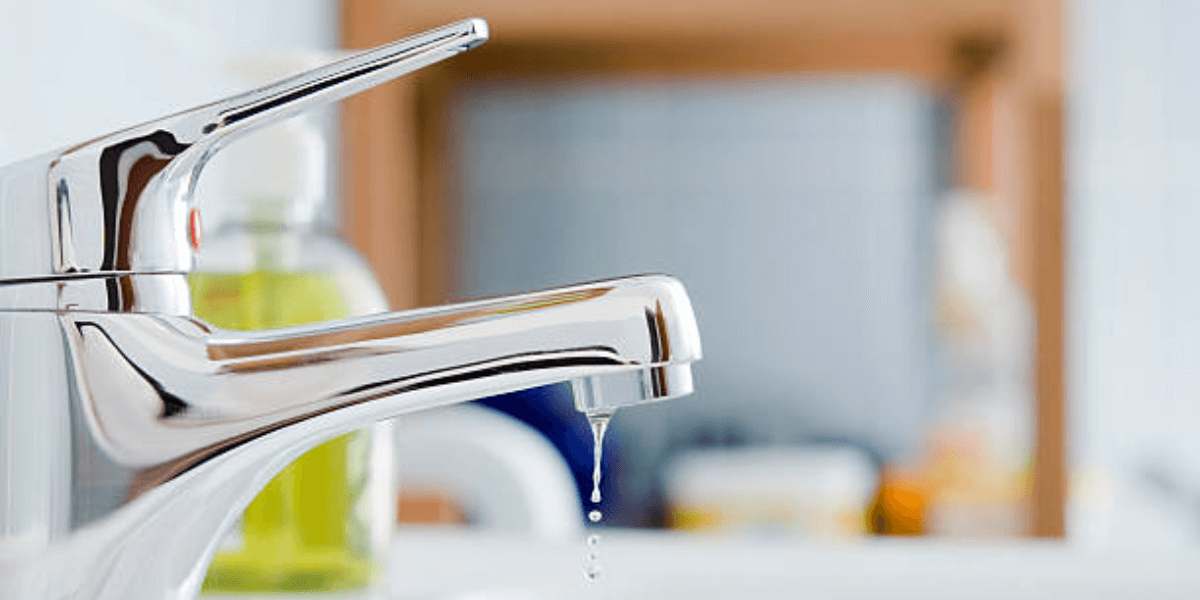
Low water pressure could indicate pipe damage, especially if it affects multiple faucets. While a clogged aerator might be a simple fix, consistent low pressure suggests a deeper problem that requires a plumber’s attention, as it might be related to a malfunctioning valve.
5. Overflowing Toilet
An overflowing toilet is a messy problem that often requires immediate attention. If a plunger doesn’t solve the issue, shut off the water behind the toilet and call a plumbing services company in Sydney, especially if the overflow persists.
6. Clogged Drains
Clogs are inevitable, but when they lead to slow drainage, bubbling water, or water backing up into other areas of the house, it’s time to call a plumber. Tree roots and other unknown blockages may be to blame, and professional intervention may be needed.
7. Backed-Up Sewage
A backed-up sewer line is a health hazard and a significant plumbing emergency. If you notice water backing up in multiple drains or smell sewage in your home, call for emergency help right away to avoid airborne contaminants that could make you and your family sick.
8. Loss of Water
A sudden loss of water might not seem as dangerous as other plumbing issues, but it’s still a major inconvenience. Without water, basic household tasks become impossible. If you can’t resolve the issue with a simple fix, it’s time to call a plumber.
When Not to Call an Emergency Plumber
Some issues, like minor leaks or clogs, can often wait until normal business hours. If the problem isn’t causing immediate damage, and you can manage a temporary fix, you can save money by holding off on an emergency call. For example, dripping faucets, slow drainage, or clogged toilets (if you have another bathroom) might not require urgent attention.
In Conclusion
Water leaks may not always be obvious, but when they become visible or cause significant issues, they should be treated as emergencies. Ignoring even small leaks can lead to bigger issues like structural damage, mould growth, electrical hazards, and health risks. If you suspect a leak, act fast and seek professional help to protect your property and avoid costly repairs.
Recognising when water leak detection is an emergency allows you to take swift action and safeguard your home or business effectively. Stay aware and stay protected!
by Prapti | Oct 19, 2024
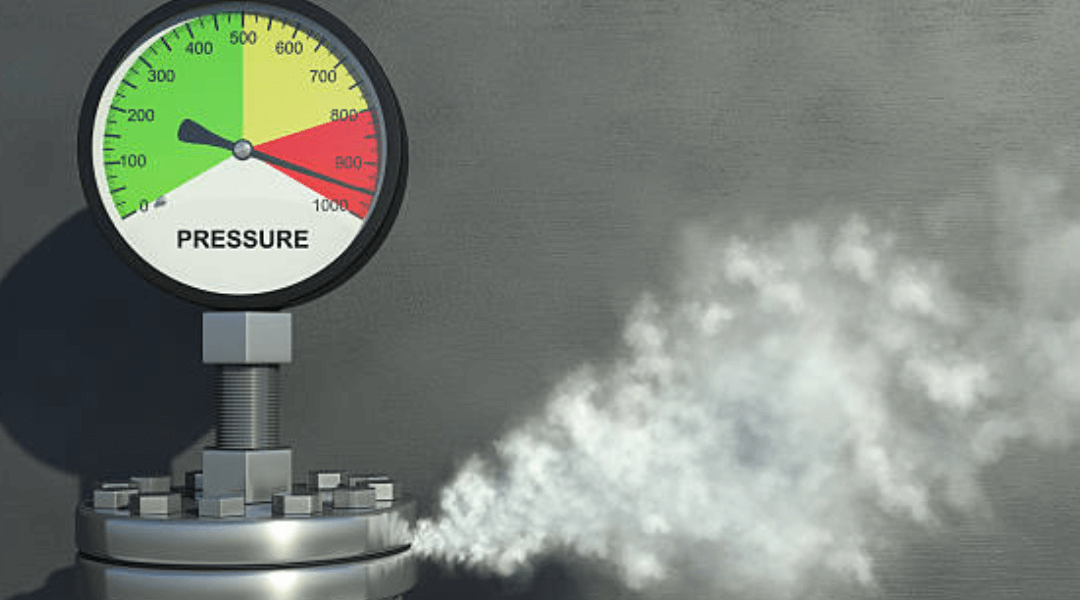
Did you know that about 5 million households rely on natural gas for their daily needs? The Australian Government, Department of Industry, Science, and Resources says that. Since so many of us use gas, it is also important to know when it may get dangerous, which happens in case of a gas leak.
Dealing with a gas leak is a frightening scenario that can happen without warning. Gas leaks, whether inside or outside your home, pose significant risks to your property, environment, and, most importantly, your safety. The potential dangers range from fire hazards to carbon monoxide poisoning, making it essential to know exactly how to respond.
In this detailed guide, we’ll walk you through the signs of a gas leak and important safety measures you should take if you ever suspect a gas leak outside your home.
What Are The Signs Of A Gas Leak?
Before taking action, it’s crucial to identify a gas leak when it happens. Gas leaks are often invisible and may not be immediately obvious, but there are a few clear indicators that should alert you:
- Distinct Smell of Rotten Eggs
- Hissing or Whistling Sounds
- Dead or Discoloured Vegetation
- Bubbling Water or Dirt Blowing Up
If you notice any of these signs, treat the situation with extreme caution and proceed to the following safety measures.

Safety Measures For Gas Leaks
1. Evacuate the Area Immediately
After detecting a leak, it’s critical to evacuate the area calmly but quickly. Inform your family members, neighbours, and anyone nearby to evacuate as well. Ensure that children, pets, and elderly individuals are safely removed from the area and avoid actions that could create sparks or ignite the gas, such as starting your car if it’s near the leak.
2. Avoid Any Flames or Sparks
Once you’ve detected a gas leak, immediately eliminate any sources of ignition. This includes:
- Do not use open flames, such as matches or lighters.
- Avoid turning on or off any electrical appliances or light switches.
- Steering clear of starting your car if it’s parked near the suspected leak.
- Refraining from using mobile phones, flashlights, or other devices that may create sparks.
Even a small spark can trigger a gas explosion in an environment with a high concentration of gas.
3. Do Not Attempt to Fix the Leak
One of the biggest mistakes people make is attempting to repair a gas leak themselves. Unless you’re a trained professional, never attempt to locate the exact source of the leak or fix it. Gas leaks require specialised equipment and knowledge to handle safely. Leave this job to the experts.
4. Turn Off the Gas Supply (If Safe)
If you are familiar with the gas shutoff valve for your home, and it’s far from the leak, you can attempt to turn off the gas supply. Most homes have a shutoff valve near the gas meter. Only do this if it’s safe to approach the shutoff valve without being near the leak.
If you’re unsure how to shut off your gas or the valve is close to the leak, do not attempt it. Instead, leave this task to trained professionals.
5. Contact Emergency Services Immediately
Once you’ve evacuated the area, your next step is to contact your local fire department or report the leak to your gas company’s emergency line. Provide them with all the necessary details and stay on the line until the authorities tell you it’s safe to hang up. They may offer additional instructions to follow before help arrives.
6. Don’t Re-Enter The Area Until It’s Safe
After reporting the gas leak, do not re-enter the area until professionals have inspected the site and given the all-clear. Gas technicians and emergency responders will use specialised equipment to identify the leak’s source and repair it safely.
How To Prevent Gas Leaks?
While gas leaks are sometimes unavoidable due to ageing infrastructure or natural wear and tear, there are preventative measures you can take to reduce the risk:
- Schedule regular gas line inspections
- Know your gas shutoff valve
- Install carbon monoxide detectors
- Educate your family
- Hire a plumbing service to check for any gas issues
To Wrap It Up
Gas leaks are a serious matter that requires immediate action. By recognising the signs, and staying informed and prepared, you can reduce the risks associated with gas leaks and ensure a safe resolution to the problem.
In need of a technician to check for gas leaks, or other plumbing issues, like tap replacement in Sydney? Say hello to Rapid Service Plumbing, the ultimate solution to all your plumbing needs. Whether it’s a gas leak that needs to be addressed or a water leak that is bothering you, we do all this and more perfectly at the most amazing rates. Hire us to see for yourself!
by Prapti | Aug 5, 2024
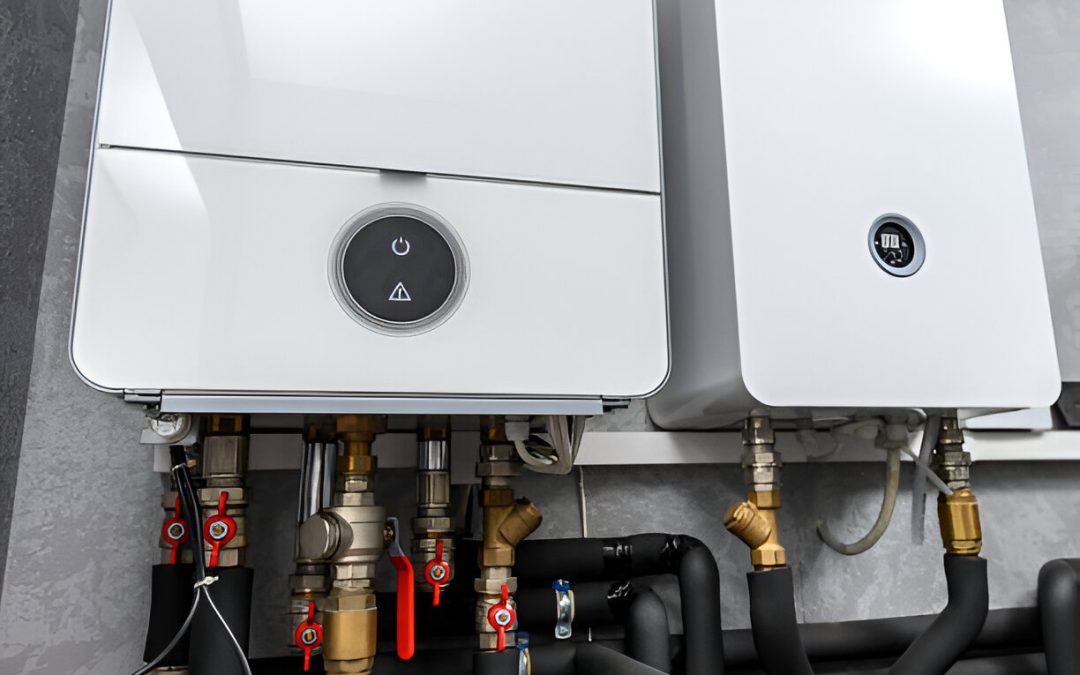
Selecting the ideal electric hot water system for your house is crucial to guaranteeing cost-effectiveness, comfort, and efficiency. It might be difficult to decide which system best meets your household’s demands when there are so many options available. An electric water heater buying guide will help you understand the important factors to consider when choosing an electric hot water system.
1. Assess Your Hot Water Usage
Determine how much hot water is used in your home as a starting point for selecting the best electric hot water system. Consider your family’s hot water requirements by counting how many individuals live in your house and their regular schedules. Larger systems are usually needed in households with more members to provide a steady hot water supply. Consider high consumption periods as well. A bigger capacity system is required if you plan on taking many showers, doing laundry, and cleaning dishes simultaneously.
2. Types of Electric Hot Water Systems
Electric hot water systems have three primary types: heat pump systems, continuous flow (tankless) systems, and storage tank systems. Each type has benefits and drawbacks.
● Storage Tank Systems
These systems heat and store a large volume of hot water at a set temperature in a tank. They deliver hot water instantly, making them perfect for homes with high hot water demands. However, they may require more energy because the water in the tank is constantly heated, even when not in use.
● Continuous Flow (Tankless) Systems
A storage tank is no longer required because these systems heat water as needed. Because they only heat water as necessary, they utilise less energy. However, their flow rate may be limited, meaning simultaneous use of multiple hot water outlets can reduce water temperature.
● Heat Pump Systems
These systems heat water by moving heat from the ground or the air using electricity. They are quite ecologically friendly and energy efficient. However, installing them can be more costly, and they might not be suitable in every climate.
3. Energy Efficiency
Energy efficiency is an essential consideration when selecting an electric hot water system. Systems with higher efficiency can considerably reduce energy costs and environmental impact. Look for energy-efficient solutions and consider the long-term cost savings they provide. Storage tank systems are the least energy-efficient, whereas continuous flow and heat pump systems are typically the most efficient.
4. Installation and Space Requirements
Your choice of selecting the optimal hot water system for your home may be influenced by the installation and space constraints. Smaller homes may be unable to accommodate storage tank systems because of the tank’s large area requirements. Continuous flow systems can be put in smaller locations since they are more compact. Space is also needed for the heat pump systems and any related equipment. Make sure that installing the system of your choice in your house will not require any major adjustments or inconveniences.
5. Cost Considerations
The cost of an electric hot water system includes the initial purchase price, installation costs, and ongoing operating expenses. While heat pump systems may have higher upfront costs, their energy efficiency can lead to substantial long-term savings. Continuous flow systems are typically mid-range in cost, while storage tank systems are usually the most affordable initially but may incur higher operating costs due to energy consumption.
6. Durability and Maintenance
Take the hot water system’s longevity and maintenance needs into consideration. Over time, systems with longer warranties and fewer maintenance requirements may offer superior value. Heat pump systems often require less maintenance and have longer lifespans than storage tank and continuous flow systems. Routine maintenance, such as descaling continuous flow systems or flushing the tank in storage systems, can increase your hot water system’s lifespan.
7. Environmental Impact
You should consider your hot water system’s environmental impact, particularly if you want to lessen your carbon footprint. Heat pump systems employ renewable energy sources and emit fewer greenhouse gases, making them the most environmentally responsible choice. Continuous flow systems are also an excellent option because they minimise energy waste by heating water only when needed. Storage tank systems have the highest environmental impact due to continuous heating and energy consumption.
Wrap Up
Several aspects must be carefully considered when selecting an electric hot water system for your home, including energy efficiency, water consumption, installation requirements, cost, durability, and environmental impact. You may choose the best fit for your house through a needs analysis and understanding of the various system varieties. Purchasing the appropriate hot water system guarantees comfort and convenience and helps save energy and preserve the environment. If you are looking to fit an electric hot water system in Sydney. Give a call to Rapid Service Plumbing to fulfil all your plumbing needs at the most affordable rates!
by Prapti | Aug 2, 2024
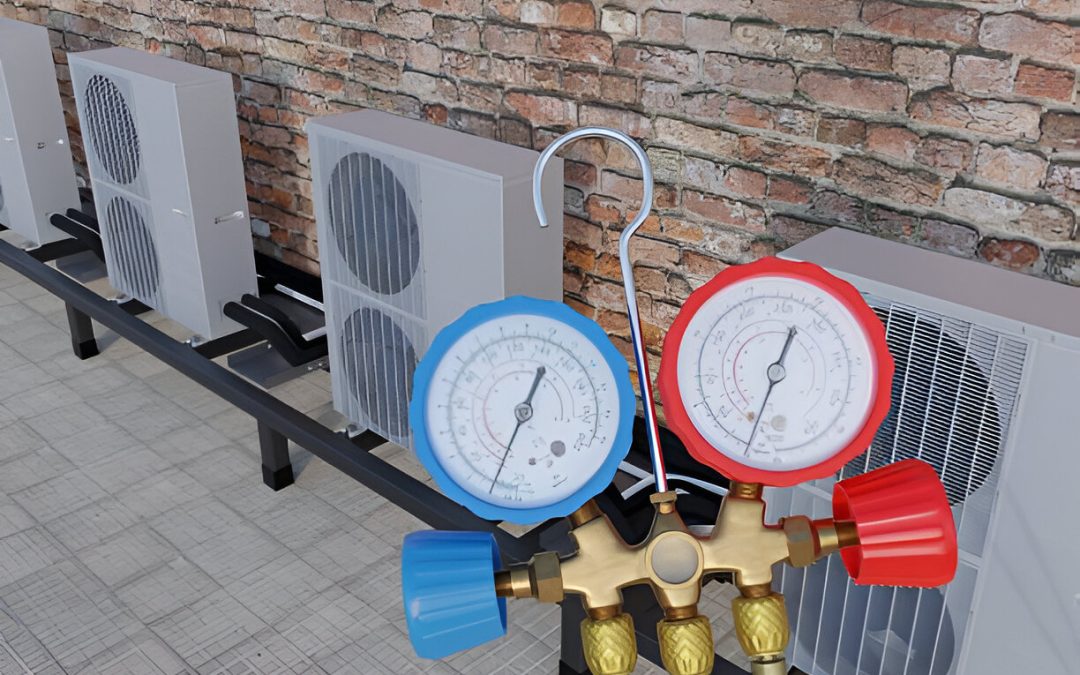
Ensuring your heat pump runs well as winter approaches is essential to keeping your house warm and cosy without going over budget on energy bills. In this blog, we will give you some heat pump performance tips to get the most out of your heat pump in the cold winter months.
Understanding Heat Pump Basics
A heat pump transfers heat into your house from the outside air. Heat pumps are extremely energy-efficient because they transport heat rather than producing it as conventional heating systems do. Extreme cold, however, may pose a challenge to their effectiveness. Use these optimization suggestions to ensure your heat pump performs at its peak.
1. Regular Maintenance
Schedule Professional Inspections
Get a professional inspection for your heat pump before winter begins. Frequent maintenance inspections can find and fix any problems like electrical malfunctions, worn-out components, and refrigerant leakage. A yearly professional tune-up guarantees that your system operates at peak performance all season.
Clean or Replace Filters
Dirty filters can obstruct airflow, reducing the winter heat pump efficiency. Clean or replace filters every month during winter to maintain optimal airflow and air quality.
2. Optimise Thermostat Settings
Use a Programmable Thermostat
A programmable thermostat is an efficient way to control the temperature in your house. Set the temperature lower when you are not at home or asleep and higher when you are awake. This reduces the pressure on your heat pump and saves electricity.
Avoid Frequent Adjustments
Your heat pump’s effectiveness may decrease if the thermostat is adjusted frequently. Once you have chosen a comfortable temperature, let the system hold it.
3. Improve Home Insulation
Seal Drafts
Check for drafts around your house’s windows, doors, and other openings. Use caulking or weatherstripping to close these spaces and keep warm air from exiting and cold air from entering.
Insulate Your Home
It will be easier for your heat pump to maintain a pleasant temperature if your walls, attic, and floors are properly insulated. Proper insulation can dramatically reduce heat loss. To increase the thermal efficiency of your house, think about replacing or adding insulation.
4. Enhance Airflow
Keep Vents and Registers Clear
Ensure all vents and registers are free from obstructions like furniture, rugs, or curtains. Unobstructed airflow allows your heat pump to distribute warm air more effectively throughout your home.
Use Ceiling Fans
A ceiling fan can help disperse heated air more uniformly. To force warm air down from the ceiling, set it to run slowly in a clockwise direction.
5. Defrost Function and Outdoor Unit Care
Monitor the Defrost Cycle
Heat pumps have a defrost cycle to avoid frost accumulation on the exterior unit. Verify that this feature is operating as intended. If you see a lot of frost, it can be a sign of an issue that requires expert care.
Clear Snow and Debris
Ensure no snow, ice, or debris is around your outside unit. Enough ventilation is ensured, and the unit is kept from overworking when there is clear space.
6. Supplemental Heating
Use Backup Heat Wisely
Many heat pumps have a supplemental heating option, such as electric resistance heaters. Use this backup heat sparingly, as it is less efficient than the heat pump. Only rely on it during extremely cold periods when the heat pump struggles to maintain the desired temperature.
7. Energy-Saving Habits
Dress Warmly
Layering blankets and wearing warmer clothing can help you feel more at ease in colder interior temperatures, lightening the strain on your heat pump.
Limit Heat Loss
Close the curtains and blinds at night to prevent heat loss through the windows. During the day, leave them open to let natural light warm your house.
8. Upgrading Your Heat Pump
Consider a Cold-Climate Heat Pump
If you live in an area with bitterly cold winters, consider upgrading to a cold-climate heat pump. These versions are made to function well, even in chilly environments.
Look for ENERGY STAR Certification
Make sure the heat pump you choose is an ENERGY STAR-certified model. These units can reduce heating expenses and adhere to stringent energy efficiency regulations.
Wrap Up
It takes a mix of routine maintenance, smart thermostat settings, better insulation in your house, increased airflow, and energy-saving behaviours to maximise the effectiveness of your heat pump throughout the winter. Following these instructions ensures your heat pump runs well throughout the winter, keeping your house warm and your energy costs under control. By putting time and effort into these habits, you can prolong the life of your heat pump and make wintertime living more comfortable and economical. If you need an emergency plumber in Sydney, check out Rapid Service Plumbing for all your expert plumbing needs, including electric hot water service.
by Prapti | Jul 30, 2024
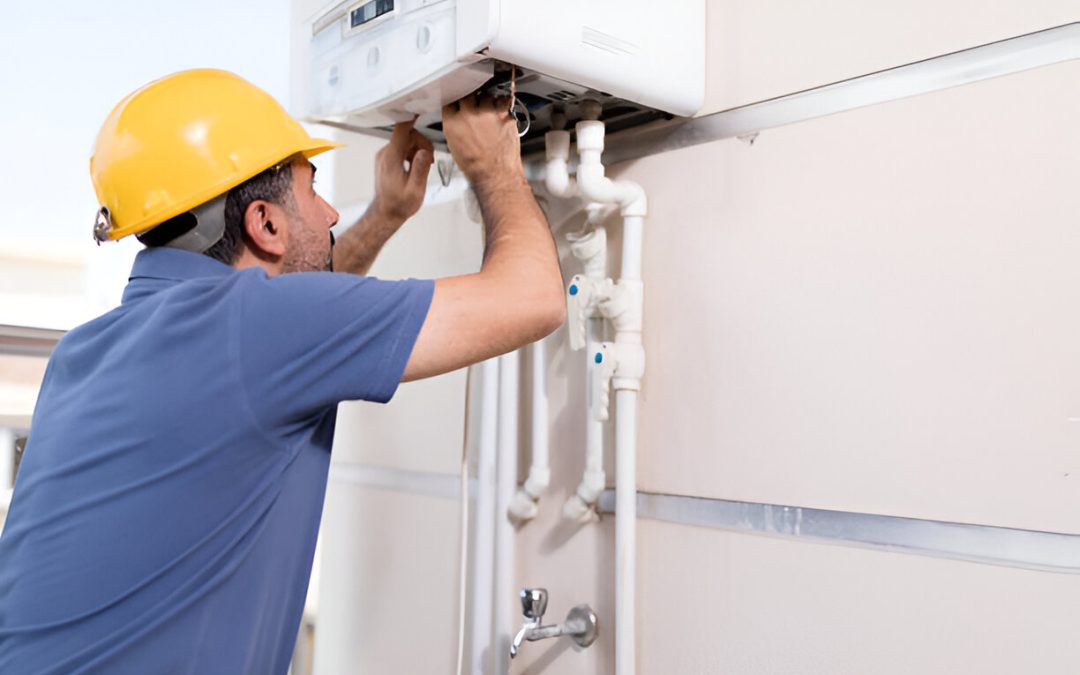
Hot water systems are quite essential for every household in Sydney, providing the comfort and convenience needed for daily activities like bathing, cooking, and cleaning. With various types of hot water systems available, electric hot water systems remain a popular choice due to their efficiency and reliability. In Sydney, where energy efficiency and sustainability are increasingly prioritised, installing energy-efficient water heaters in Sydney can be an excellent investment.
Let’s guide you through the benefits and process of installing a hot water system in Sydney.
Why Choose an Electric Hot Water System?
Electric hot water systems are widely favoured for several reasons:
- Energy Efficiency: Trained plumbers optimise the electric hot water system in Sydney in such a way that it heats water quickly and efficiently, minimising energy wastage.
- Ease of Installation: Electric systems are generally easier and cheaper to install compared to gas or solar systems, requiring minimal modifications to existing infrastructure.
- Reliability: Electric hot water systems provide consistent performance, giving a steady supply of hot water even during periods of high demand.
- Environmentally Friendly Options: With the advent of renewable energy sources, electric systems can be powered by solar panels or wind energy, reducing carbon footprints.
Types of Electric Hot Water Systems
Before installation, it’s better to understand the different types of electric hot water systems available:
- Storage Hot Water Systems: These systems heat water and store it in a tank, ready for use when needed. They are ideal for households with higher hot water demands.
- Instantaneous (Tankless) Systems: These systems heat water on demand, eliminating the need for a tank. They are more energy-efficient and provide endless hot water but might have a limited flow rate for simultaneous use.
Choosing the Right System for Your Home
Selecting the right electric hot water system depends on several factors. Here are the tips to select an electric water heater in Sydney.
- Household Size and Hot Water Demand: Consider the number of people and their hot water usage habits. Larger families may benefit from a storage system, while smaller households might prefer the efficiency of an instantaneous system.
- Energy Efficiency Rating: Look for hot water systems with better energy efficiency ratings to reduce energy consumption and save on utility bills.
- Space Availability: Evaluate the available space for installation. Instantaneous systems require less space and can be installed in compact areas, while storage systems need room for the tank.
- Budget: Determine your budget, including installation and long-term operating costs, to find a system that meets your financial constraints.
Installation Process
Installing an electric hot water system involves several steps and should ideally be done by a licensed professional.
- Assessment and Planning: Assess your home’s plumbing and electrical systems to determine compatibility. Choose a location for installation, considering factors like accessibility, ventilation, and proximity to water outlets.
- System Selection: Select the right system based on your assessment and preferences. Consider consulting with a professional to finalise the choice.
- Installation: Shut off the main water and electricity supply before installation. Remove any existing hot water system if applicable. Install the new system according to manufacturer instructions, connecting it to the water and electrical supply.
- Testing and Calibration: Test the system for leaks and proper functionality. Calibrate the thermostat and other settings to optimise efficiency.
- Safety Checks: Make sure all electrical connections are secure and insulated. Check safety valves and pressure relief systems for proper operation.
Summing It Up
Installing an electric hot water system in your home can greatly increase comfort and efficiency. By choosing the right system and following proper installation and maintenance practices, you can enjoy a reliable supply of hot water while minimising energy consumption and environmental impact. Consider consulting with Rapid Service Plumbing to make sure your system is set up for optimal performance and long-term savings.
With careful planning and regular upkeep, your system for electric hot water plumbing in Sydney will provide dependable service and contribute to a more energy-efficient home. We provide 24/7 plumber in Sydney without any delay. Get in touch with us today and enjoy hot water whenever you need.