by Prapti | Jul 28, 2024
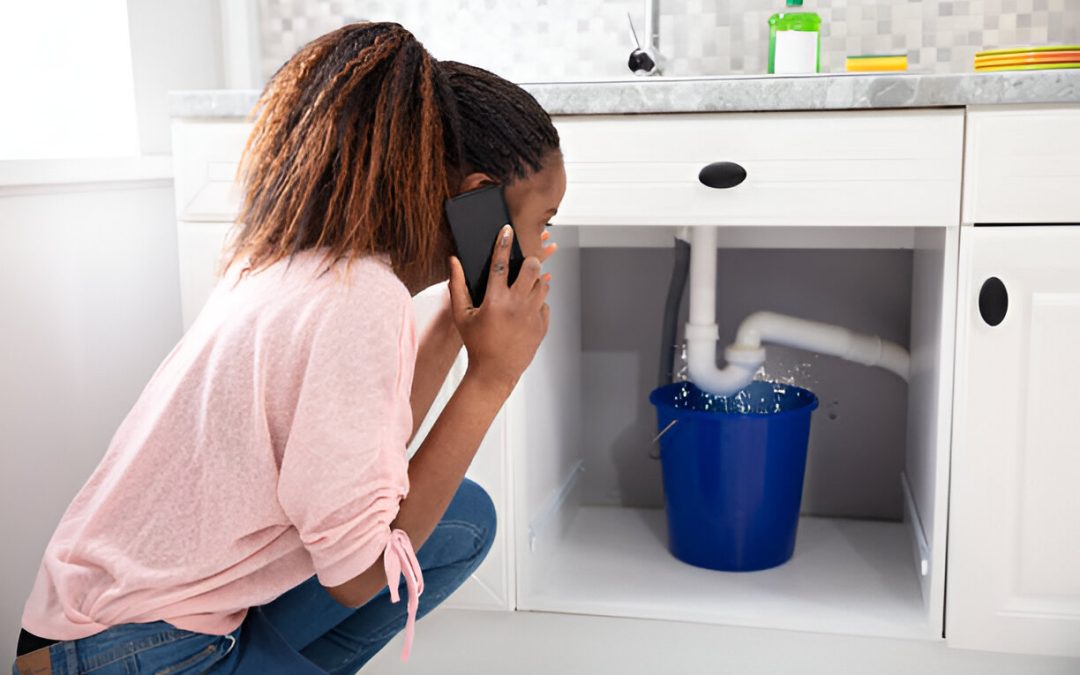
Plumbing issues are a frequent headache for everyone, and Sydney is no exception. Whether it’s a minor annoyance like a dripping tap or a major catastrophe like a burst pipe, common plumbing problems can disrupt daily life and lead to significant plumbing issues if not addressed on time.
We have compiled this blog to explore some of the most common plumbing problems in Sydney and offer some tips on how to deal with them.
Dripping Taps
Dripping taps are one of the most common plumbing issues found in Sydney homes. While they might seem minor, a constantly leaking tap can waste a large amount of water over time. This not only increases your water bill but also contributes to unnecessary water wastage, a concern in a city that has experienced severe droughts in recent years.
Dripping taps are often caused by worn-out washers or seals within the tap. The constant pressure of water flow wears down these components, leading to leaks. In some cases, corrosion or a build-up of minerals can also cause taps to drip. Replacing the washer or seal is usually a straightforward task that can solve the problem. However, if you’re unsure or the problem persists, calling a professional plumber is advisable for fixing plumbing problems in Sydney.
Blocked Drains
Blocked drains are another frequent issue in Sydney homes. They can occur in sinks, showers, toilets, or sewer lines, leading to unpleasant odours, slow drainage, or even flooding.
Blocked drains are caused by a large build-up of hair, soap, grease, food, and other debris. In Sydney, tree roots can also invade underground pipes, causing blockages and damage. To prevent blockages, avoid disposing of grease and large food particles down the sink and use a drain cover to catch debris. If you encounter a blockage, you may need to contact a plumber who can use specialised tools to remove the obstruction.
Low Water Pressure
Low water pressure can make simple tasks like showering or washing dishes frustratingly slow and inefficient. This problem can occur in isolated fixtures or throughout the entire home.
Several factors can contribute to low water pressure, including leaking pipes, blocked pipes, faulty pressure regulators, or issues with the water supply from the main line. Checking for leaks and cleaning aerators on taps can sometimes resolve low water pressure. If the problem is widespread or persists, it may be time to call a professional to diagnose and fix the underlying issue.
Running Toilets
A running toilet can waste hundreds of litres of water a day, leading to increased water bills and environmental waste. Running toilets are usually caused by a defective flapper valve, where water flows from the tank into the bowl. Other potential issues include a malfunctioning fill valve or an improperly adjusted float. In many cases, replacing the flapper valve is a quick and inexpensive plumbing maintenance for Sydney homes. Adjusting the float or replacing the fill valve might be necessary for more complex problems.
Burst Pipes
Burst pipes are the most severe plumbing issue and can cause major damage to your home or any other property. This issue requires prompt attention to prevent further damage and costly repairs.
Pipes can be bursted due to various reasons, including corrosion over time, freezing temperatures, excessive water pressure, or poor installation or materials. If you experience a burst pipe, it’s important to act quickly. Turn off the main water supply to prevent further flooding, and contact a professional plumber immediately. While waiting for help, try to remove as much water as possible to minimise damage.
Bottom Line
Plumbing problems are a common issue, but being aware of the common issues and knowing how to address them can save you time, money, and stress. Regular maintenance and on-time repairs can prevent minor problems from escalating into major disasters. If you’re ever in doubt, it’s always best to consult with a licensed and well-trained plumber who can provide expert advice and solutions according to your specific needs. For the best plumbing services in Sydney, Rapid Service Plumbing is the perfect option. You can contact our emergency plumbing company anytime, any day, with any plumbing issues.
by Prapti | Jul 13, 2024
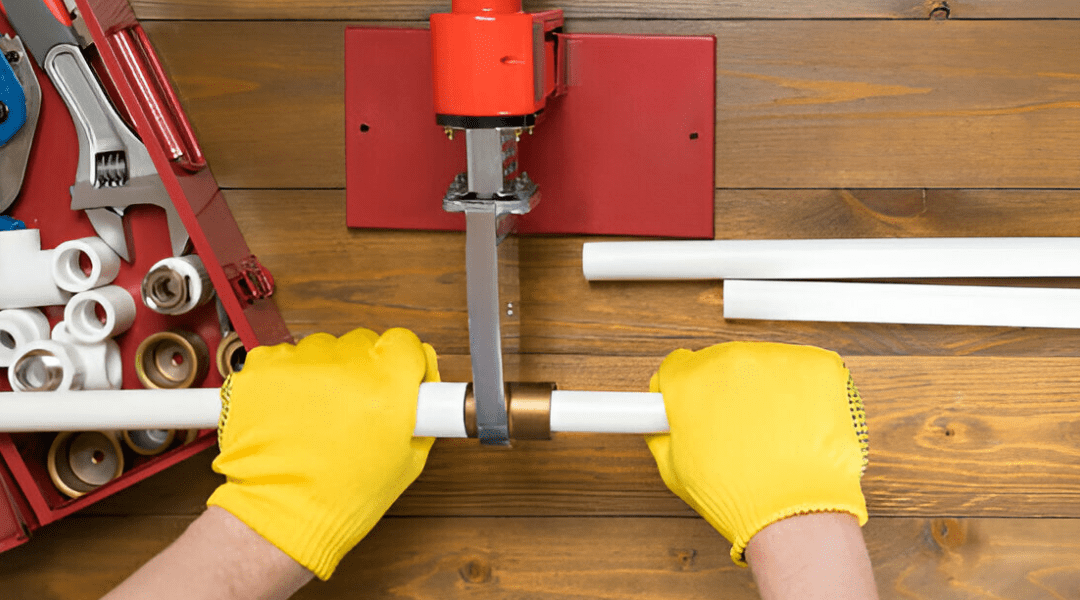
Bursted pipes can cause serious damage to your property, leading to costly repairs and disruptions. Understanding the common causes of pipe bursts and taking preventive measures can help protect your home’s plumbing system and avoid such disasters. Here’s a detailed look at the typical reasons behind pipe bursts and how to avoid them.
Common Causes of Pipe Bursts
Freezing Temperatures
One of the most common causes of pipe bursts is freezing temperatures. When the water inside the pipes freezes due to the cold outside, it expands, exerting pressure on the pipe walls. This pressure causes the pipe to burst, leading to leaks once the ice thaws.
High Water Pressure
Excessively high water pressure can strain your plumbing system, causing pipes to burst. Most home plumbing systems are designed to handle a specific range of water pressure. If the pressure exceeds this range, the pipes and fixtures may become damaged over time.
Corrosion and Age
Over time, pipes can corrode and weaken, especially if they are made of metal. Corrosion happens due to chemical reactions between the pipe material and the water or other substances it carries. As pipes age and corrode, they become more susceptible to leaks and bursts.
Poor Installation
Improper installation of pipes can lead to a host of problems, including pipe bursts. If pipes are not fitted correctly or if the wrong materials are used, they may not withstand the pressure and stresses of everyday use. Poor installation practices can also result in loose connections and weak joints that are prone to leaks.
Blockages and Clogs
Blockages and clogs in your plumbing system can cause a pressure build up within the pipes. This pressure can cause pipe bursts, especially if the pipes are already weakened by other factors such as corrosion or age. Common causes of blockages include grease buildup, foreign objects, and tree roots.
How to Prevent Pipe Bursts
Let’s have a look at how to prevent a pipe burst.
Insulate Pipes
To prevent pipes from freezing, especially in colder climates, it’s essential to insulate them. Pipe insulation can help maintain a consistent temperature and protect against freezing. Focus on pipes insulation in unheated areas such as basements, attics, and garages.
Regulate Water Pressure
Monitoring and regulating your home’s water pressure can prevent excessive strain on your plumbing system. A water pressure gauge can help you keep track of the pressure levels. If the pressure is too high, you should install a pressure-reducing valve to maintain it within a safe range.
Replace Old and Corroded Pipes
If your home has old or corroded pipes, it’s wise to replace them before they become a problem. Modern materials such as PEX (cross-linked polyethylene) and PVC (polyvinyl chloride) are more resistant to corrosion and have a longer lifespan than traditional metal pipes.
Conduct Regular Inspections
Regular checks and maintenance inspections of your plumbing system can help detect the issues before they become severe. Look for symptoms of corrosion, leaks, or damage, and address any issues promptly. Professional plumbers can perform thorough inspections and provide recommendations for maintenance and repairs.
Ensure Proper Installation
When installing new pipes or making repairs, ensure that the work is done by a qualified professional. Proper installation practices can prevent many issues that lead to pipe bursts. Make sure the correct materials are used and that all connections are secure.
Prevent Blockages
Taking steps to prevent blockages is one of the major pipe maintenance tips. Avoid draining grease or oil down the drain, use drain screens to catch debris, and be cautious about what you flush down the toilet. Regularly cleaning your drains can also help prevent clogs from forming.
Final Thoughts
Pipe bursts can cause extensive damage and disrupt your daily life, but many of the common causes are preventable. By understanding the factors that lead to pipe bursts and implementing preventive measures, you can protect your home’s plumbing system and avoid repairs. So, the next time you need a burst pipe repair service, feel free to call Rapid Service Plumbing. We offer the most trustworthy plumbing services in Sydney. Get in touch with us today and renew your plumbing system.
by Prapti | Jul 11, 2024
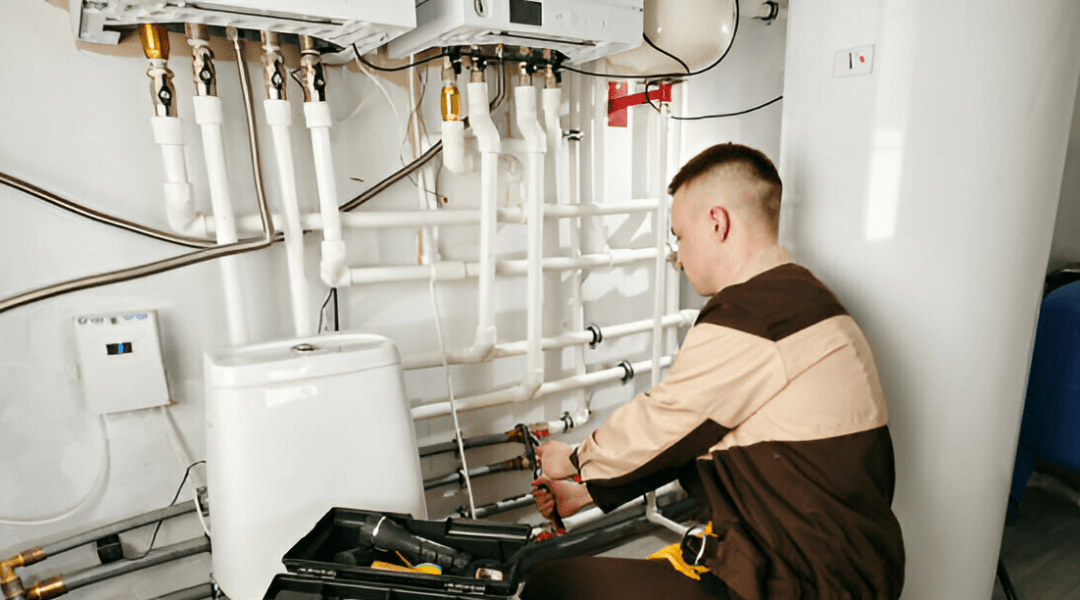
When a plumbing repair emergency strikes, swift action is needed to prevent further damage and costly repairs. However, choosing the right emergency plumber can be challenging, especially under the stress of a plumbing crisis. Here’s a comprehensive guide to help you select a reliable and competent emergency plumber.
Round-the-Clock Service
The first and most critical criterion for choosing the best emergency plumbing repair is their availability. Plumbing emergencies can surprise you at any time, often outside of regular business hours. Make sure that the plumber you choose offers 24/7 services and can respond immediately to emergencies, whether it’s the middle of the night, a weekend, or a holiday.
Response Time
In a plumbing emergency, every minute counts. Ask potential plumbers about their response time for emergency calls. A good emergency plumber should be able to arrive at the location of emergency quickly to assess and address the issue.
Licensing and Insurance
Verify that the emergency plumber is licensed and insured. A valid licence shows that the plumber has met the necessary training and competency standards. Insurance protects you from liability in case of any accident or damage during the repair process.
Experience and Expertise
Experience is a valuable asset in emergency plumbing. Look for plumbers with several years of experience in handling a variety of plumbing emergencies. Experienced plumbers are more likely to detect and fix problems efficiently and effectively.
Read Online Reviews
Online reviews and ratings can provide insights into the quality of service provided by the plumber. Check reviews on different platforms and pay attention to feedback regarding the plumber’s reliability, response time, professionalism, and the quality of their work.
Personal Recommendations
Word of mouth is another reliable source of information. Ask friends, family, neighbours, or colleagues if they have any recommendations for emergency plumbers they have used and trusted. Personal experiences can provide valuable insights that online reviews may not cover.
Evaluate Transparent Pricing
A reputable emergency plumber should provide clear and transparent pricing. While it may be difficult to get an exact quote over the phone, the plumber should be able to give you a general idea of their rates and any potential additional charges. Be wary of plumbers who are vague about their pricing or unwilling to discuss costs upfront.
Fair Rates
While emergency plumbing repair services may come at a premium, the rates should still be fair and competitive. Compare the rates of different emergency plumbers to make sure you are getting a reasonable deal. Keep in mind that the cheapest option may not always be the best, as quality and reliability are also important factors to consider.
Clear Communication
Good communication is essential in an emergency situation. Choose a plumber who makes clear and effective communication, explaining the issue, the necessary repairs, and any potential costs. The plumber should also be willing to answer any questions you may have.
Professionalism
Professionalism is key for a reliable plumber. Observe how the plumber interacts with you during your initial contact. Are they courteous, respectful, and attentive to your concerns? A professional demeanour can indicate the quality of service you can expect.
Comprehensive Services
An emergency plumber should be equipped to handle a wide range of plumbing issues. Make sure that the plumber you choose has the skills and tools necessary to address the specific problem you are facing, whether it’s a burst pipe, a severe leak, a blocked drain, or a malfunctioning water heater.
Ongoing Maintenance
In addition to emergency services, it’s beneficial to choose a plumber who offers ongoing maintenance and repair services. This helps you to establish a long-term relationship with a trusted professional who understands your plumbing system and can provide preventative maintenance to avoid future emergencies.
Bottom Line
Choosing the right emergency plumber is essential for protecting your home and minimising the damage caused by plumbing emergencies. By considering the factors we have shared, you can make an informed decision and make sure that you have a reliable professional on call for any plumbing crisis. Taking the time to research and select the right emergency plumber in advance can provide peace of mind and save you from the stress and inconvenience of dealing with plumbing issues on your own. One of the best plumbers in town is, hands down, Rapid Service Plumbing. We provide you with an emergency plumber in Sydney, wherever you need and whenever you need.
by Prapti | Jul 9, 2024
Plumbing issues can cause significant disruptions and costly repairs if not addressed promptly. The best approach is to prevent these problems from occurring in the first place. By taking proactive measures and maintaining your plumbing system, you can avoid many common issues. Here’s a guide on how to prevent common plumbing problems before they start.
Schedule Regular Plumbing Inspections
Regular checks and inspections by a professional plumber can help identify potential problems before they become bigger problems. During a routine inspection, the plumber will check for cracks, leaks, corrosion, and other signs of wear and tear. They can also assess the condition of your pipes, fixtures, and appliances to make sure everything is functioning properly.
Monitor Water Pressure
Very high water pressure can put excessive strain on your plumbing system, leading to leaks and bursts. Preventing plumbing problems is easier if you use a water pressure gauge to check your home’s water pressure regularly. The recommended water pressure for a home is between 40-60 psi. If the pressure is too high, consider installing a pressure regulator to keep it within a safe range.
Be Mindful of What You Flush
Toilet drains are designed to handle human waste and toilet paper only. Avoid flushing items like wet wipes, sanitary products, cotton balls, and paper towels, as these can cause blockages. Even products labelled as “flushable” can contribute to clogs, so it’s best to dispose of them in the trash.
Avoid Pouring Grease Down the Drain
Grease and cooking oils can solidify and cause blockages in your pipes. Instead of pouring grease down the drain, keep it in a container and dispose of it in the trash. You can also use tissues to wipe greasy pans and dishes before washing them.
Protect Your Pipes from Freezing
In colder climates, insulating your pipes can prevent them from freezing and bursting. Focus specially on pipes in unheated areas such as basements, attics, garages, and crawl spaces. Use pipe insulation sleeves or heating tape to protect them from extreme temperatures.
Let Taps Drip
On extremely cold nights, allow taps connected to exposed pipes to drip slightly. This is one of the best plumbing tips, as it keeps water flowing through the pipes and reduces the risk of freezing. Moving water is less likely to freeze than standing water.
Maintain Your Water Heater
Sediment buildup in your heater can reduce its efficiency and lead to corrosion. Flushing the tank annually removes sediment and helps extend the life of your water heater. Follow the manufacturer’s instructions for proper flushing techniques.
Address Leaks Promptly
A dripping tap or running toilet may seem minor, but these issues can waste significant amounts of water and lead to larger problems. Replace worn-out washers, gaskets, or other faulty components to stop leaks. If you’re unsure how to fix a leak, consult a professional plumber.
Inspect for Hidden Leaks
Regularly check for signs of hidden leaks, such as stains on walls or ceilings, odours, or unexplained increases in your water bill. Catching leaks early can prevent extensive water damage and mould growth.
Upgrade Ageing Plumbing
Old pipes made from materials like galvanised steel or polybutylene are prone to corrosion and leaks. Consider upgrading to modern fittings such as copper, PEX, or PVC, which are more durable and reliable. If your home has ageing plumbing, consult a professional to assess the condition and recommend necessary replacements.
Install Water Softening Systems
Hard water can cause severe mineral buildup in your pipes, reducing their efficiency and lifespan. Installing a water-softening system can help prevent buildup and prolong the life of your plumbing system. Water softeners remove minerals and make the water gentler on your pipes and appliances.
Summing It Up
Preventing common plumbing issues before they start requires regular maintenance, mindful usage, and prompt attention to potential problems. By taking proactive steps such as scheduling annual inspections, insulating pipes, and properly disposing of waste, you can protect your plumbing system. Investing time and effort into maintaining your plumbing will pay off in the long run, giving you a reliable and efficient system for years to come. If you are looking for the best plumbing services in Sydney, get connected to Rapid Service Plumbing now. We provide 24/7 emergency services all over Sydney.
by Prapti | Jul 7, 2024
The kitchen is often the heart of the home, but it’s also a hub for potential plumbing issues. Regular maintenance and mindful habits can keep your kitchen plumbing in top shape, preventing costly repairs and providing a smooth operation. Here are some practical tips for kitchen plumbing and maintenance.
Check for Leaks Regularly
Even small leaks and cracks can lead to significant damage over time. Regularly check under sinks, around the dishwasher, and near the refrigerator for any signs of water leaks. If you notice dampness, water stains, or mould, address the issue promptly to prevent further serious damage.
Avoid Hard and Fibrous Foods
Your garbage disposal in kitchen is designed to handle small sized food scraps, but some items can cause damage. Avoid putting hard items like bones, fruit pits, and eggshells into the disposal. Fibrous foods like celery, onion skins, and corn husks can gather around the blades and cause clogs.
Run Cold Water
One of the best tips for kitchen plumbing is to always run cold water while using the kitchen garbage disposal and for a few seconds after turning it off. Cold water helps solidify any greas so that it can be chopped up and flushed away more effectively. This practice also helps keep the disposal blades sharp.
Clean the Disposal Regularly
To keep your garbage disposal clean and odour-free, grind a handful of ice cubes and citrus peels (such as lemon or orange) every few weeks. The ice helps to clean the blades, while the citrus peels leave a fresh scent.
Use a Drain Strainer
Installing a drain strainer in your kitchen sink can catch food particles and debris, preventing them from entering the drain and causing clogs. Clean the drain strainer regularly to maintain its effectiveness.
Flush Drains with Hot Water
Periodically flush your kitchen drains with hot water to help dissolve any grease or soap buildup. For an added cleaning boost, you can add a small amount of baking soda and top it up with vinegar, allowing the mixture to fizz and break down any residue before flushing with hot water.
Clean the Filter Of Dishwasher
The dishwasher filter traps food particles and debris, preventing them from clogging the drain. Clean the filter regularly, following the manufacturer’s instructions, to keep your dishwasher running efficiently.
Run Hot Water Before Starting
Running hot water before starting the dishwasher is recommended so that hot water is immediately available for the wash cycle. This helps the dishwasher clean more effectively and can reduce the risk of clogs in the drain line.
Replace Water Filters Of Your Refrigerator
If your refrigerator also has a water dispenser or ice maker, replace the water filters according to the manufacturer’s recommendations. A clogged or old filter can reduce water flow and affect the quality of your drinking water and ice.
Inspect the Water Line
Periodically check the water line behind your refrigerator for any kinks, cracks, or leaks. Make sure that the line is properly connected and free from damage to prevent water leaks and potential flooding.
Fix Dripping Taps
A dripping tap not only causes water wastage but can also indicates a worn-out washer or seal. Fixing a dripping tap is usually a minimal task that can prevent more significant problems down the line. If you’re unsure how to fix it, consult a professional plumber.
Unclog Slow Drains
Slow-draining sinks can be an early sign of a clog. Use a plunger or a plumber’s snake to clear minor clogs. For persistent issues, a professional plumber may be needed to inspect and clear the drain.
Wrapping It Up
Maintaining your kitchen plumbing requires regular inspections, mindful usage, and prompt attention to potential issues. By following these tips and tricks, you can prevent common plumbing problems and make sure that your kitchen remains a functional space. Investing effort into maintaining your kitchen plumbing will pay off in the long run, saving you from costly repairs and disruptions. For the best kitchen plumbing in Sydney, get in touch with Rapid Service Plumbing now. Our professional plumbers can tackle all kitchen plumbing emergencies efficiently.