by Prapti | Jun 13, 2024
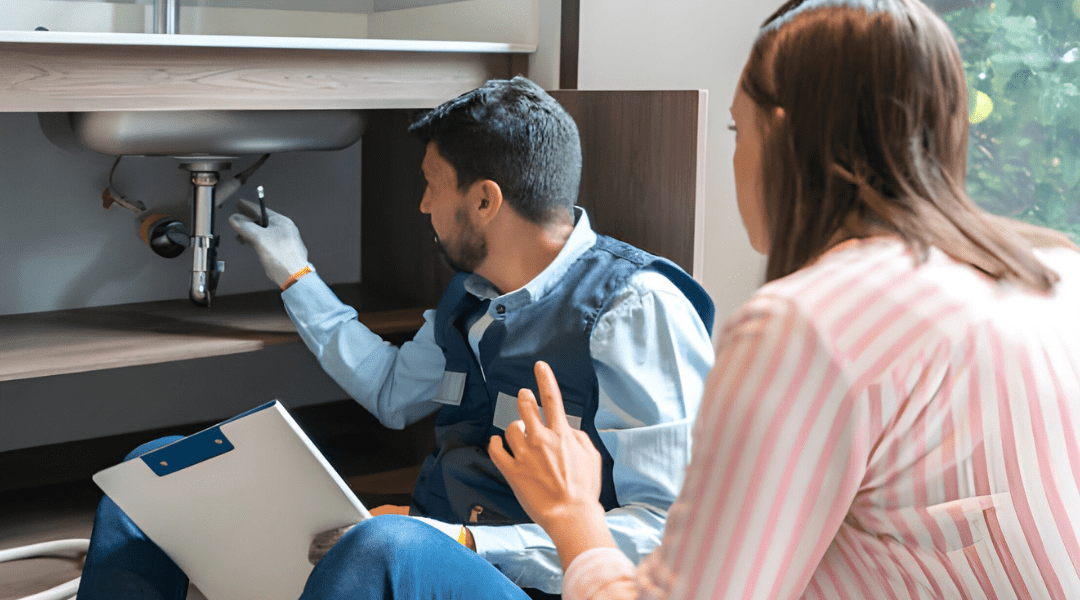
If you constantly find yourself having to fix the toilet or getting leaking taps on a daily basis, it may be time to consider professional help. An experienced plumber can make quite a difference when it comes to maintaining your property’s pipes efficiently. However, like all things, not all plumbers are made the same, and you need to do your due diligence before putting your trust in the hands of a random contractor.
In this blog, we will outline all the do’s and don’ts you may need to watch out for when it comes to choosing a plumbing contractor. So, let’s get started!
Plumbing Professional Guide To Choosing The Right Contractor
1. Testimonials and Referrals
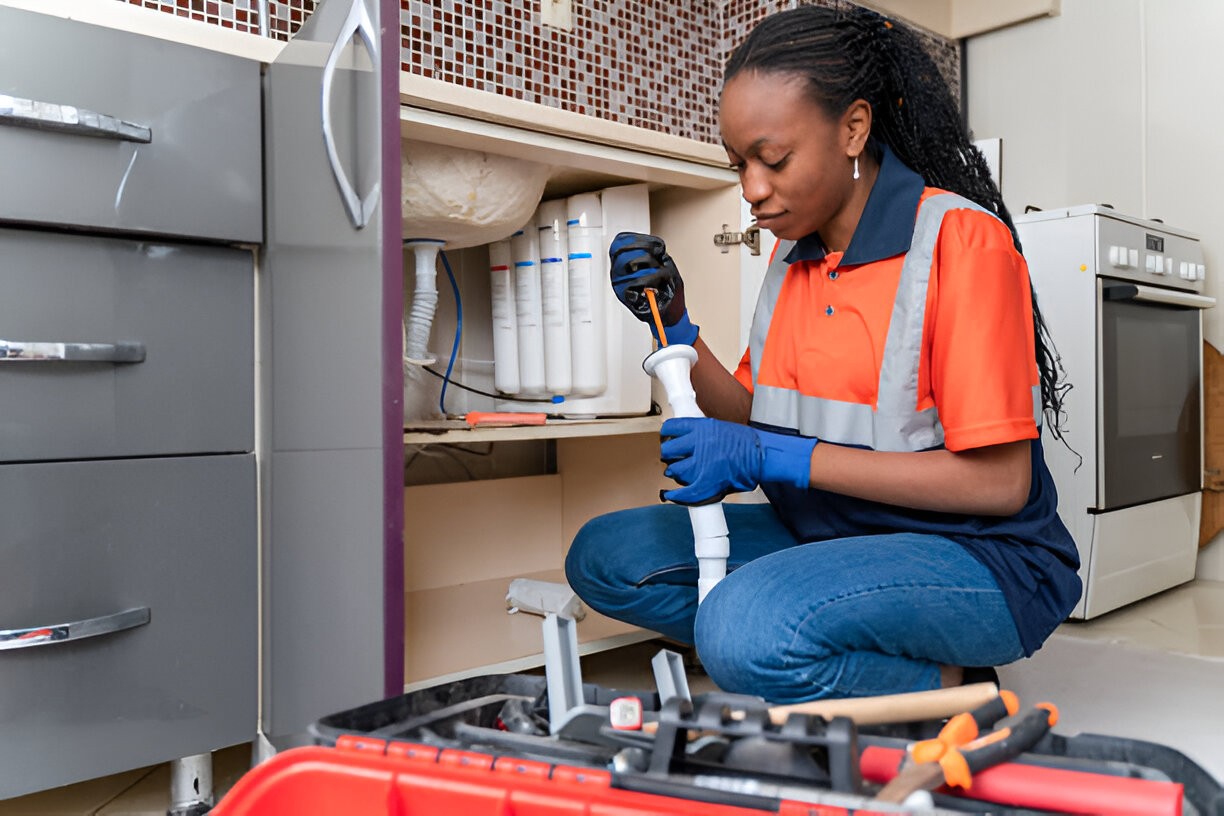
Don’t hesitate to ask for testimonials and referrals from trustworthy sources. Recommendations from friends, family, and neighbours can give you valuable insights into a plumber’s reliability, professionalism, and the quality of their work. Additionally, it’s a good idea to ask the plumber for references from previous clients and get feedback from them directly.
2. Online Reviews and Ratings
Online reviews are a crucial resource. Platforms such as Google and Yelp aggregate customer feedback, providing insight into a plumber’s performance. Take your time to read through reviews, paying attention to both positive and negative feedback. Look for common themes, the number of reviews, and the overall rating.
3. Insurance Coverage and License
Liability insurance protects homeowners in case of accidental property damage during plumbing work, while worker’s compensation insurance covers the plumber’s employees in case of on-the-job injuries. Additionally, you also need to ensure that your plumber is licensed and well-informed about local building codes.
4. Evaluating Reputation
When selecting the right plumber, their reputation carries significant weight. It reflects their reliability, work quality, and client satisfaction. Assessing a plumber’s reputation can offer valuable insights into their professionalism and dedication to customer service.
5. Upfront Quotes and Estimates
Before commencing any work, a trustworthy plumber will offer clear and upfront quotes and estimates for their services. They should conduct a thorough assessment of the project and then give you a comprehensive breakdown of all associated costs, encompassing both labour and any required materials or equipment.
6. Breakdown of Costs
Along with giving you a total estimate, an honest plumber will also provide a detailed breakdown of the project’s costs. This helps you understand exactly how your money is being spent and the value you’re getting in return. Don’t hesitate to ask for clarification on any unfamiliar items. A plumber will gladly explain the reasons behind their pricing and address any questions you might have.
7. Avoiding Hidden Fees
Be aware that hidden fees can significantly increase the cost of plumbing services if you’re not vigilant. When negotiating pricing with a plumber, ask if there are any potential extra charges that might be added to your project. This encompasses fees for emergency services, overtime labour, or unexpected complications that may occur during the work. This approach will help you steer clear of surprises and allow you to anticipate any additional costs that may crop up.
8. Guarantees and Warranties
A good plumber provides guarantees and warranties for their work, ensuring peace of mind and demonstrating confidence in the quality of their services. Before hiring a plumber, ask about their service and product warranties. The presence of strong guarantees reflects a commitment to customer satisfaction and accountability.
9. Attention to Detail
A proficient plumber carefully examines the project, identifies potential issues, and implements precise solutions. They ensure proper pipe alignment, seal connections correctly, and thoroughly test for leaks. It’s important to choose a plumber who pays close attention to detail.
10. Clear Communication Channels
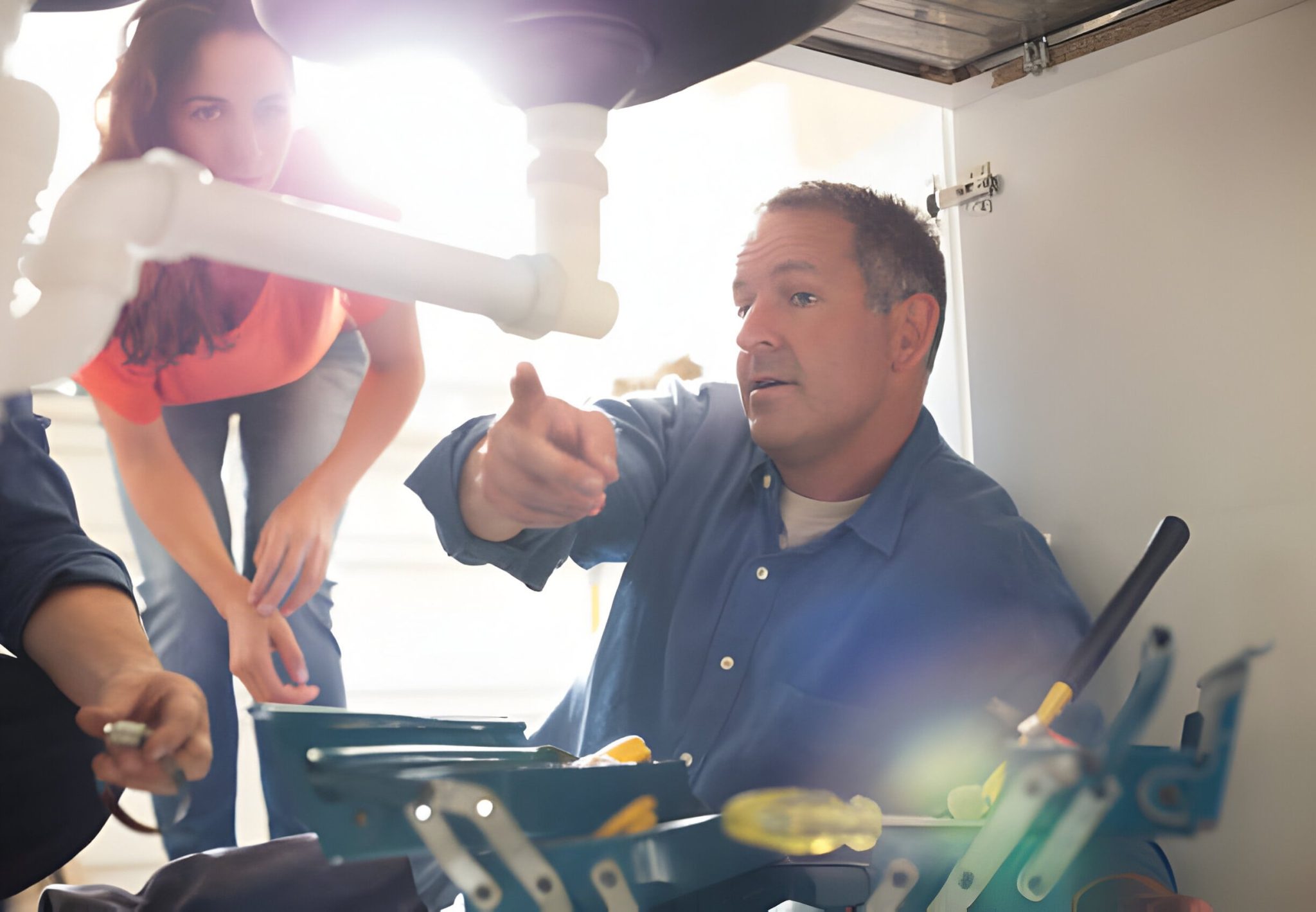
Effective communication with your plumber is key for a successful project. Regular updates and open channels build trust and confidence in your relationship. You can check the communication skills of your plumbers by asking them for plumbing maintenance tips. How forthcoming they are in their answer can easily tell if your plumber will be communicative in the future or not.
11. Respectful and Courteous Staff
Superior customer service requires professionalism, courtesy, and respect from a plumber’s team. Look for plumbers who prioritize customer satisfaction and ensure a positive experience for every client.
12. Response Time for Emergencies
In the event of a plumbing emergency, you may need to get immediate assistance. A competent plumber comprehends the urgency of such situations. When assessing plumbers, be proactive in inquiring about their emergency response time. A reputable plumber must provide swift and effective emergency services, guaranteeing the rapid resolution of critical issues like burst pipes or sewage backups.
13. 24/7 Availability
Choose a 24/7 plumber for peace of mind, whether it’s a late-night leak or a weekend emergency. Go for plumbers who prioritize customer convenience. If you are looking for the best 24/7 plumbing services in Sydney, Rapid Service Plumbing may be worth considering, as with us, you can have an experienced team of plumbers at your disposal any time, any day!
To Wrap Up
In conclusion, choosing the right professional for your plumbing maintenance needs is crucial for the well-being of your property. When you follow the outlines tips, you can make an informed decision and ensure that your plumbing work is carried out efficiently and effectively.
Your diligence will lead you to a reliable and trustworthy plumbing professional, or you can just take the easy route and book a consult with Rapid Service Plumbing to maintain your property’s plumbing in top condition. May you have a hassle-free experience with your chosen plumber!
by Prapti | Jun 13, 2024
When it comes to keeping your home or business running smoothly, regular plumbing maintenance is key. But how often should you schedule it? Let’s dive into the details and see why a good plumbing maintenance schedule is important and how often you should call the pros.
Why Regular Plumbing Maintenance Matters
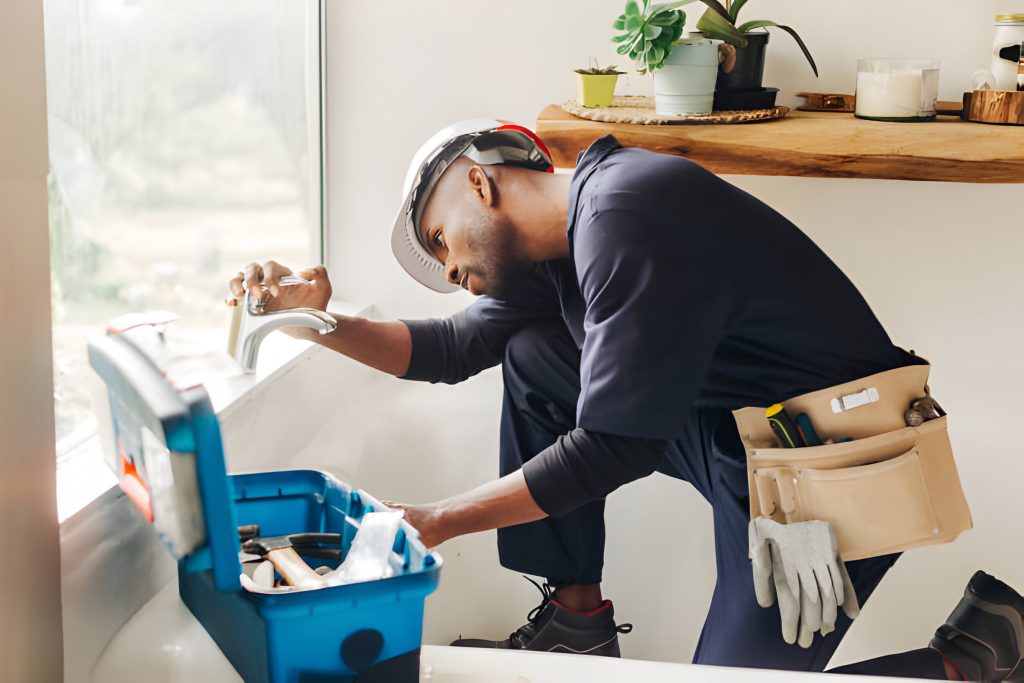
A plumbing system consists of a network of pipes, valves, and fixtures that supply water to your home and remove wastewater. Knowing how your plumbing system works can help you identify potential issues before they become major problems.
Your plumbing system is divided into two main subsystems: the water supply system and the drainage system. The water supply system brings fresh water into your home through a series of pipes, while the drainage system removes wastewater through a separate set of pipes. Both systems are interconnected with various fixtures like sinks, toilets, and showers.
Key components of your plumbing system include:
- Pipes: These are the veins of your plumbing system, carrying water to and from your fixtures. They can be made of various materials, including copper, PVC, and PEX.
- Valves: These control the flow of water within your plumbing system. Knowing the location of your main shut-off valve is essential in case of a plumbing emergency.
- Fixtures: These are the end points of your plumbing system where water is used, such as faucets, toilets, and showers.
- Traps and Vents: Traps prevent sewer gases from entering your home, while vents allow air to enter the drainage system, ensuring smooth water flow.
By understanding these components and how they work together, you can better maintain your plumbing system and prevent issues like clogged drains, water leaks, and slow drains. Regularly inspecting pipes, using drain strainers, and being mindful of what goes down your kitchen sink drain can go a long way in keeping your plumbing system in top shape.
Remember, a well-maintained plumbing system not only ensures efficient water usage but also contributes to a healthy living environment. If you ever feel unsure about any aspect of your plumbing system, don’t hesitate to call a professional plumber for advice and assistance.
How Often to Perform Plumbing Maintenance

So how often should you do maintenance? The answer depends on many factors including the age of your plumbing system, property type and your specific needs.
Residential Properties
For most residential properties an annual maintenance is enough. This yearly check will pick up any emerging issues and make sure everything is working as it should. But if your home is over 40 years old or has a history of plumbing problems you may want to do more frequent checks, every 6 months.
During these annual checks a professional plumber will:
- Inspect pipes, including all visible pipes, for corrosion, leaks, and moisture
- Check water pressure throughout the house
- Check fixtures for proper operation and leaks
- Inspect the water heater for efficiency and safety
- Test the sump pump (if applicable)
- Check the main sewer line for blockages
Commercial and Industrial Properties
Due to their complex and high usage plumbing systems commercial and industrial properties need more frequent maintenance. Semi-annual or even quarterly checks may be required to keep the business running and protect the property.
Commercial plumbing systems have unique challenges:
– Higher usage rates means faster wear and tear
– More complex systems with multiple components
– Stricter regulations for health and safety
– Financial losses if plumbing fails
For these reasons many businesses opt for a maintenance plan with a trusted plumbing service. This can include regular checks, scheduled replacement of worn parts and immediate response to any issues that arise.
New Builds and Renovations
Maintenance may not be as important if you have a new system or your existing system has been upgraded. But it’s always good to have a schedule in place to keep things running smoothly as the system ages.
For new builds:
– Do an initial check after the first year to make sure everything is working as expected
– Start annual checks from the second year onwards
For renovations:
– Do a thorough check after the renovation is complete
– Go back to your regular maintenance schedule and adjust the frequency if major changes were made to the plumbing system
Seasonal Maintenance
As the seasons change in Australia so do the demands on your plumbing system. Here’s a breakdown of seasonal maintenance tasks:
Spring
- Check outdoor faucets and hoses for winter damage. Look for cracks, leaks or frost damage.
- Use a drain strainer to catch hair and food scraps, preventing blockages and keeping drains clear and functioning properly.
- Clean gutters and downspouts to prevent blockages. Remove leaves, twigs and debris that accumulated over winter.
- Check the sump pump before spring rains. Test it by pouring water into the sump pit and make sure it activates and drains properly.
Summer
– Check irrigation systems for leaks or damaged sprinkler heads. Look for wet patches in your lawn or garden.
– Make sure drainage is clear around air conditioning units. Clear any debris that might be blocking drainage.
– Test water pressure and adjust if needed. Use a pressure gauge on an outside tap to check if it’s within the recommended range (usually between 40-60 psi).
Autumn
- Insulate exposed pipes before winter. Use foam pipe insulation or heat tape for pipes in unheated areas.
- Clean leaves from gutters and drains. Prevent blockages that can cause ice dams in winter.
- Use boiling water to prevent clogged drains by regularly flushing drain pipes. This helps to break down buildup in the pipes, but avoid using boiling water with PVC pipes to prevent damage.
- Check the hot water system for efficiency. Flush the tank to remove sediment and check the pressure relief valve.
Winter
– Protect outdoor taps from freezing. Use insulated covers or turn off the water supply to outdoor taps.
– Keep indoor pipes warm in extreme cold. Open cabinet doors to let warm air circulate around pipes in kitchens and bathrooms.
– Check water heater performance. Look for any unusual noises or hot water supply inconsistencies.
What’s Involved in Maintenance?

Maintenance involves several key checks and tasks to keep your system running smoothly. Here are the main components of a maintenance check:
- Water Pressure: Checking for consistent pressure throughout the property and adjusting if needed.
- Water Control Devices: Checking valves, taps and other devices are working properly and not leaking.
- Water Monitoring Devices: Calibrating water meters and other monitoring devices.
- Water Drainage: Checking all drains for flow, fixing slow draining issues, and addressing blocked drains caused by debris accumulation.
- Water Leaks: Inspecting all visible pipes, joints and fixtures for leaks.
- Discharge or Wastewater Management Systems: Checking septic systems or sewer connections.
- Plumbing connected to Mechanical Devices: Checking connections to appliances like washing machines, dishwashers and water heaters.
- High-End Equipment: Inspecting and maintaining special plumbing equipment.
- Complex Systems: Multi-level or commercial plumbing systems.
- Seasonal: Addressing specific maintenance needs based on the season and climate.
DIY vs Professional Inspections
Some maintenance tasks can be done by homeowners, others require professional expertise. Here’s a guide to help you decide:
For major plumbing issues, it is always best to hire professional plumbing services to ensure the job is done correctly and efficiently.
DIY
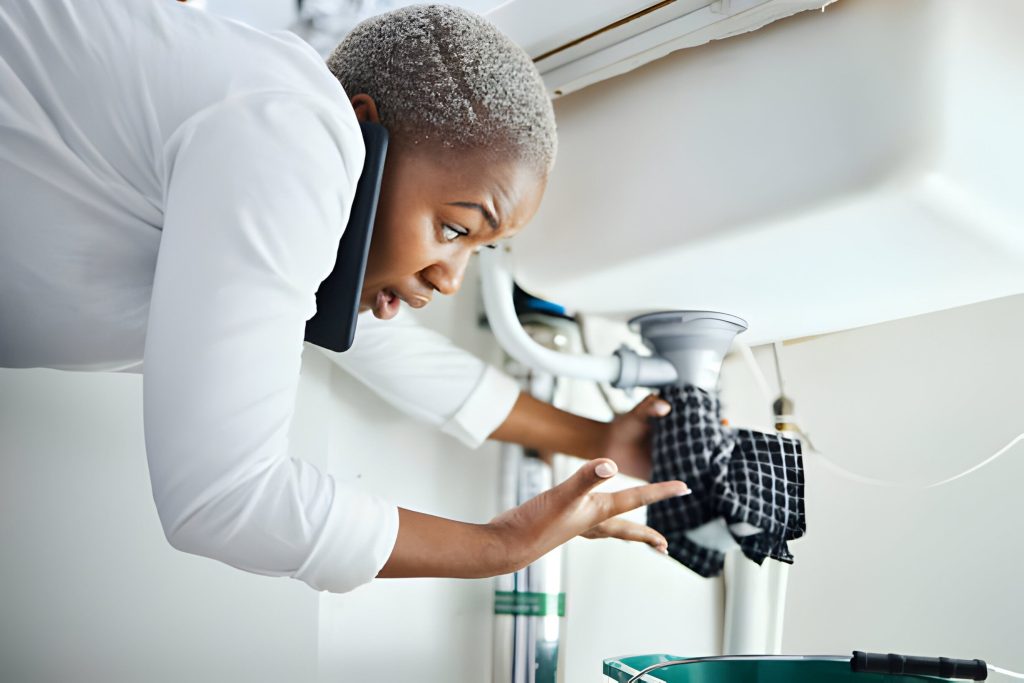
– Visual leaks: Check under sinks, around toilets and near appliances for water.
– Clean drain covers and strainers: Remove and clean these regularly to prevent blockages.
– Water pressure gauge: You can buy a simple gauge to check your water pressure.
– Toilet flush test: Check toilets flush fully and don’t run continuously.
Professional
– Sewer camera inspections: Professionals use special equipment to inspect inside pipes for blockages or damage.
– Water heater maintenance and repairs: Annual flush and safety check should be done by a professional.
– Backflow prevention device testing: Requires special knowledge and equipment.
– Complex pipe repairs or replacements: Any work on your main water line or sewer line should be done by a pro.
Remember, when in doubt always call a licensed plumber. They have the tools, knowledge and experience to fix complex issues safely and efficiently.
Water Saving Tips
Maintenance isn’t just about preventing issues, it’s also about saving water. Here are some tips to help you save water and reduce your bills:
– Low-flow showerheads and faucet aerators: Can save up to 60% water usage without losing water pressure.
– Fix dripping taps quickly—a small drip can waste thousands of litres a year. A tap dripping once a second can waste over 12,000 litres a year!
– Use drought tolerant plants in your garden to reduce watering needs. Native Australian plants are often adapted to local conditions and need less water.
– Collect rainwater for garden use. A simple rain barrel can collect a lot of water for your garden.
– Only run full loads in dishwashers and washing machines. Saves water and energy.
More tips:
– Take shorter showers. Even one minute less can save a lot of water over time.
– Dual-flush toilet: These allow you to use less water for liquid waste.
– Water your garden in the morning or evening to reduce evaporation.
Common Plumbing Issues in Australian Homes: Clogged Drains
Be aware of these common plumbing problems in Australian homes, particularly issues related to plumbing pipes:
- Tree root blockages: Especially in older homes with nearby mature trees.
- Hot water system failures, especially in older homes: Maintenance can extend the life of your hot water system.
- Leaking taps and toilets: If left unattended can waste a lot of water.
- Pipe corrosion in hard water areas: Can cause leaks and low water pressure over time.
- Storm water system overflows during heavy rain: Clearing gutters and downpipes can prevent this.
Maintenance can prevent many of these issues or catch them early before they become big problems. For example, regular drain cleaning can prevent blockages, while fixing small leaks can prevent water damage and mould growth. Regular inspections and preventive measures can ensure the longevity of your plumbing pipes and avoid costly repairs.
When to Call a Plumber Now
Sometimes you can’t wait for your next scheduled maintenance. Here are the signs you need to call a plumber now:
- Slow Drains: If multiple drains in your home are slow, it could be a major blockage in your main sewer line.
- Low Water Pressure: Sudden drop in water pressure could be a leak or blockage in your main water line.
- Noisy Pipes: Banging, whistling or gurgling sounds from your pipes could be air in the system, high water pressure or a pipe about to burst.
- Water Leaks: Any visible water leaks, no matter how small, need to be fixed to prevent water damage and mould growth.
- Unpleasant Odors: Foul smells from drains or around your property could be a sewage leak or blockage.
Additional signs to look out for: Water Leaks
- Unusually high water bills with no reason
- Monitoring the water meter: If the water meter continues to move while no water is being used in the home, it could indicate an undiagnosed problem that requires the attention of a professional plumber to prevent unexpected costs.
- Water discolouration or strange tastes or odours
- Running toilets
- Damp spots on walls, floors or ceilings
If you see any of these signs, you need to call a professional plumber now. Fixing these issues quickly can prevent bigger and more expensive problems later.
DIY Maintenance Tips
While professional maintenance is important, here are some things you can do yourself between visits:
- Prevent clogs by cleaning your drains regularly. Use a mixture of baking soda and vinegar followed by hot water to clear drains.
- Check for leaks under sinks and around fixtures. Look for water stains, dampness or water pooling.
- Monitor your water pressure, sudden changes can indicate a problem that needs professional attention. You can use a simple pressure gauge to check this.
- Be careful what you put down your drains. Don’t flush anything other than toilet paper down toilets and use drain catchers in sinks and showers.
- Clean your showerheads and faucet aerators regularly to prevent mineral buildup and ensure good water flow.
- Know where your main water shut-off valve is. In case of a big leak, being able to turn off the water supply quickly can prevent major damage.
- Regularly inspect and maintain your septic tank. Neglecting this can lead to backups and unpleasant odors. Professional services are recommended for the best care.
- Call a professional if things get out of hand. While DIY maintenance is helpful, you need to know when a problem is beyond your skill level.
Why Australian Plumbing Standards Matter
Complying with Australian plumbing standards is for safety, efficiency and legality. Here are the key points:
- All plumbing work must comply with the Plumbing Code of Australia (PCA). This means plumbing systems are safe, reliable and efficient.
- Only licensed plumbers should do installations and major repairs. This is not a recommendation, it’s a legal requirement in Australia.
- Regular inspections ensure ongoing compliance with standards. As regulations change, you need to keep your plumbing system up to date
- Proper documentation of plumbing work is for property records. This is important for insurance purposes and when selling your property.
By being compliant you protect your property value and your plumbing system. Non compliant plumbing can mean safety hazards, water waste and potential legal issues.
Call A Professional Plumber
Even with your best efforts some plumbing issues require professional help. So call Rapid Service Plumbing, a 24/7 plumber in Sydney, and we’ll take care of the messiest of leaks and blockages at any hour. Give us a call!
Professional plumbers bring:
– Expertise and experience to diagnose and fix complex problems
– Specialised tools and equipment
– Knowledge of local building codes and regulations
– Warranty on their work
– Can often detect and prevent future problems during maintenance
To Wrap Up
Regular maintenance keeps everything running smoothly and prevents costly repairs. But remember while some maintenance can be done yourself, call in the experts from Rapid Service Plumbing when you need to. A well maintained plumbing system is not only efficient but also for the health and safety of everyone in the building.
By following a maintenance schedule, being aware of potential problems and knowing when to call in the experts you can keep your plumbing system running all year round. This proactive approach will save you money in the long run and give you peace of mind knowing your home or business is protected from plumbing disasters.
Remember, when it comes to plumbing prevention is better than cure. Book your next maintenance check today and get started with a more efficient, reliable and worry free plumbing system.
by Prapti | Jun 13, 2024
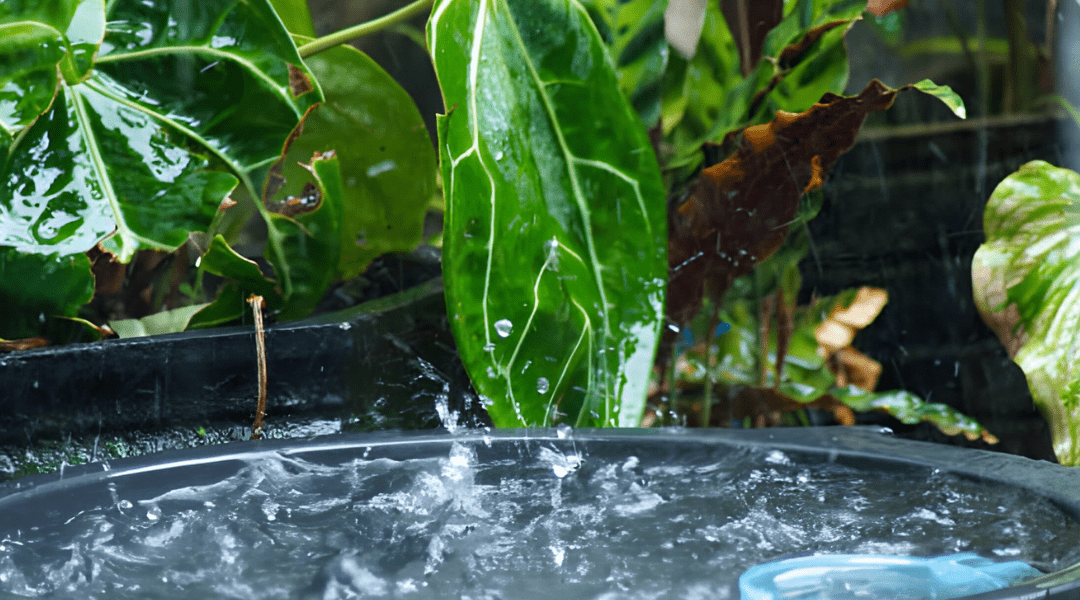
Harvesting rainwater is a great way to conserve water and contribute to environmental sustainability. Rainwater harvesting systems provide a valuable resource for flushing toilets, washing cars, and irrigating gardens.
However, like any system, rainwater harvesting systems can encounter issues that require regular maintenance and troubleshooting. In this blog, we’ll explore the top 10 common issues with rainwater harvesting system drains and offer rainwater drainage tips to keep your system running smoothly.
Top 10 Tips for Rainwater System Troubleshooting
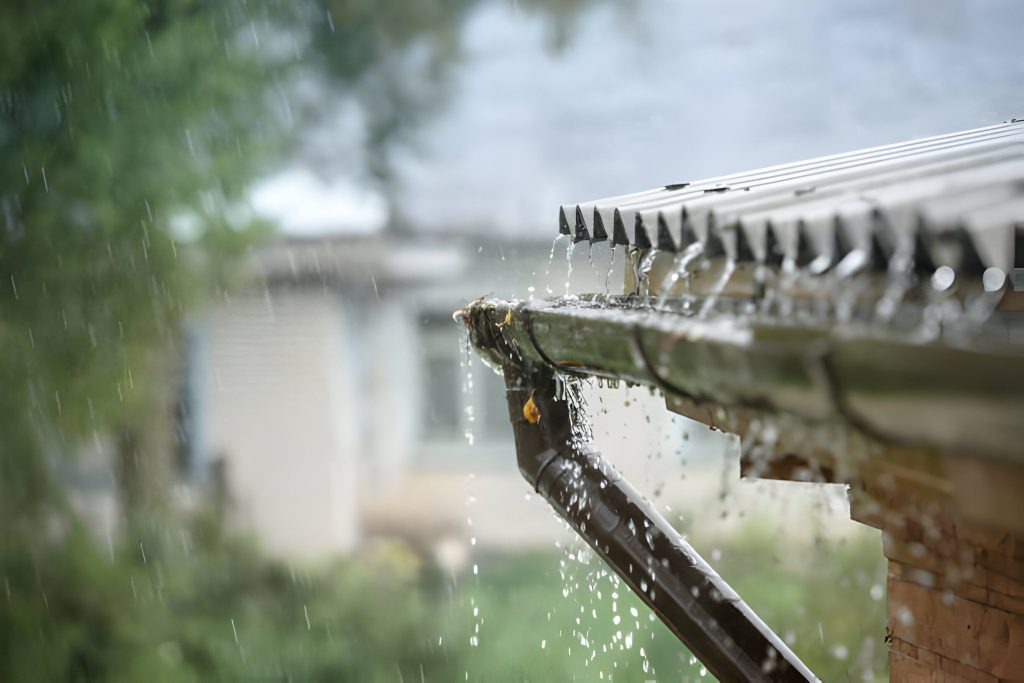
1. Bad Smelling Water
The most common problem that occurs with these types of water harvesting systems is foul-smelling water. Such an occurrence can be caused by several factors, including:
● Algal Growth
Algae, a freshwater organism, can fester in tanks that are exposed to sunlight and make the water smell. These micro-creatures tend to like the increased water temperature as it is a growth stimulus for their species. To make sure this does not occur, all you need to do is keep your tank sealed by using rain heads, tank screens, or even gutter mesh. If you already have algal growth, a few dashes of chlorinate should deal with this issue quite effectively.
● Tank Base Sediment
Since tanks have water stored in standstill conditions and are not flowing, it also means that the tank may accumulate sediments at its base. This accumulation may result in water starting to smell bad. You can also protect your tank from sediments by filtering out the dust and organic matter using the same mesh and screens used to keep the algal spores out.
● Animals in the Tank
When you use rainwater harvesting tanks, you are also always at risk of having to deal with decomposed small animals that may have found their way in. These animals can be anything from a mouse to birds or even frogs. If you do not wish to deal with all of this, install a rodent guard and remember to check for breeches regularly.
2. Not Collecting Enough Water
Another common issue is that your tank may not be collecting enough water as you expected. This could be due to a blockage or leak caused by the accumulation of debris, leaves, or even a few rocks. You may need to regularly inspect the water collection area to make sure that the flow of water is not obstructed.
If the issue is persistent despite all your efforts, it may be time to call in a professional from Rapid Service Plumbing for the best drainage solutions in all of Australia.
3. Unclear Water
You may also find that the rainwater in the tank is dirty or cloudy. This can be due to your filters not being cleaned properly or the build-up of debris in the tank. In case this issue is not resolved, you may need to consider installing a downpipe filter as it will clean the water as soon as it enters the tank.
4. Frost Damage
These tanks are usually installed under the open air and above ground; therefore, they can easily freeze over during the winter. Repeated frost damage can significantly damage these tanks over time. The best solution for this is proper insulation or buying a pre-insulated rainwater harvesting tank.
5. Water Overspill
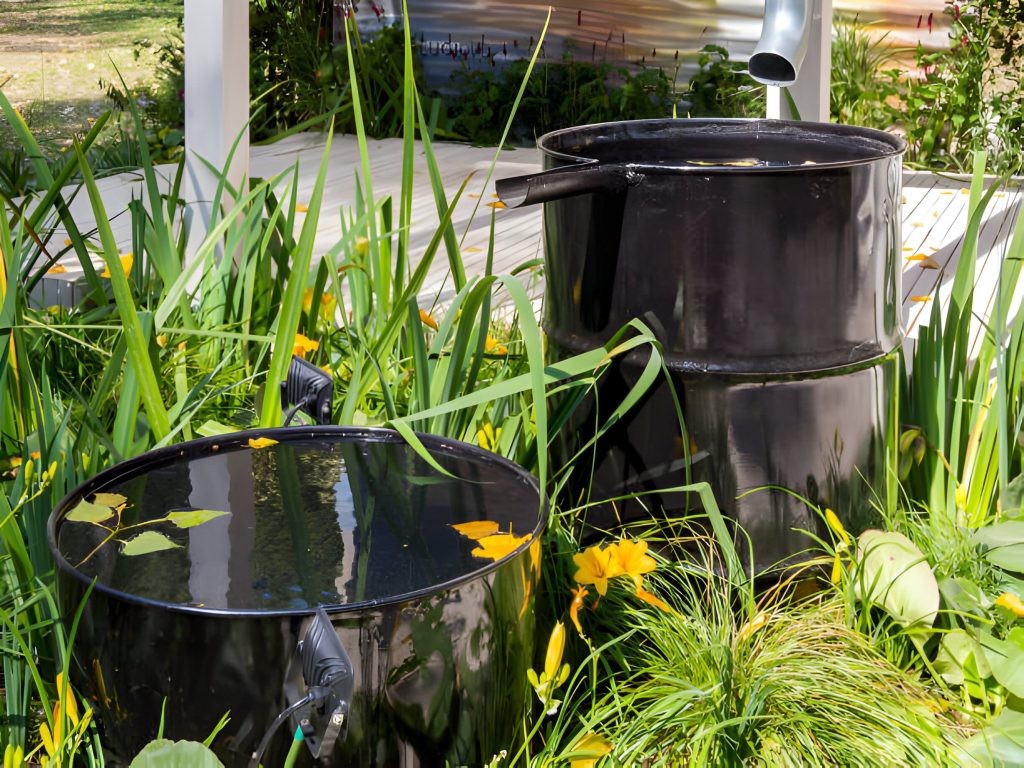
When you experience heavy rains, your tank can fill up quite quickly and may even overflow. In such conditions, an overflow pipe is essential to drain all the extra water to the nearest drain. Check the overflow pipe regularly to make sure it is in proper working condition.
6. Blocked Gutters and Downpipes
Another issue you may encounter is having to deal with blocked gutter or downpipes in your rainwater harvesting system. This blockage may prevent water from reaching your tank, so you may need to clean out your gutters and downpipes regularly. You can also install filters like gutter guards to stop the build-up of debris.
7. Damaged or Leaking Tanks
As time passes, these tanks can wear out due to constant use, leading to leaked or damaged tanks. To remedy this before your tanks end up being damaged beyond repair, you may need to invest in some professional rainwater harvesting system maintenance from Rapid Service Plumbing on an annual basis.
8. Pump Failures
A significantly essential part of any rainwater harvesting system is the pump. It is responsible for transporting the harvested water to where it can be used. When your pump stops working, the entire point of your harvesting system becomes moot. You may need to make sure your pump has ample power, is not worn out, or hasn’t any blockages. The pump may also need regular servicing or maintenance from an expert plumber for an extended lifespan.
9. Clogged Filters
Filters are critical for keeping your harvested water clean, but they can become clogged with debris over time. Regularly clean or replace filters to maintain water quality and system efficiency. Establish a schedule for maintenance with your plumber to check and service filters as needed.
10. Incorrect Installation

The last on this list and perhaps the most devastating issue that can fester into numerous problems is incorrect system installation. When your system is incorrectly installed, it leads to poor water collection, system failure, overflowing, and leaks. The most tried and tested way to prevent this from ever happening is to get the aid of an expert plumber who specialises in rainwater harvesting system maintenance, like our team at Rapid Service Plumbing.
To Wrap Up
While rainwater harvesting systems offer numerous benefits, they require regular maintenance and troubleshooting to address common issues. When you stay proactive and address these issues promptly, your rainwater harvesting system continues to provide an eco-friendly water source for your various needs.
Remember, if you encounter persistent problems with your rainwater harvesting system, seeking assistance from professional plumbers such as Rapid Service Plumbing can provide you with the expertise and solutions needed to keep your system running smoothly. Happy harvesting!
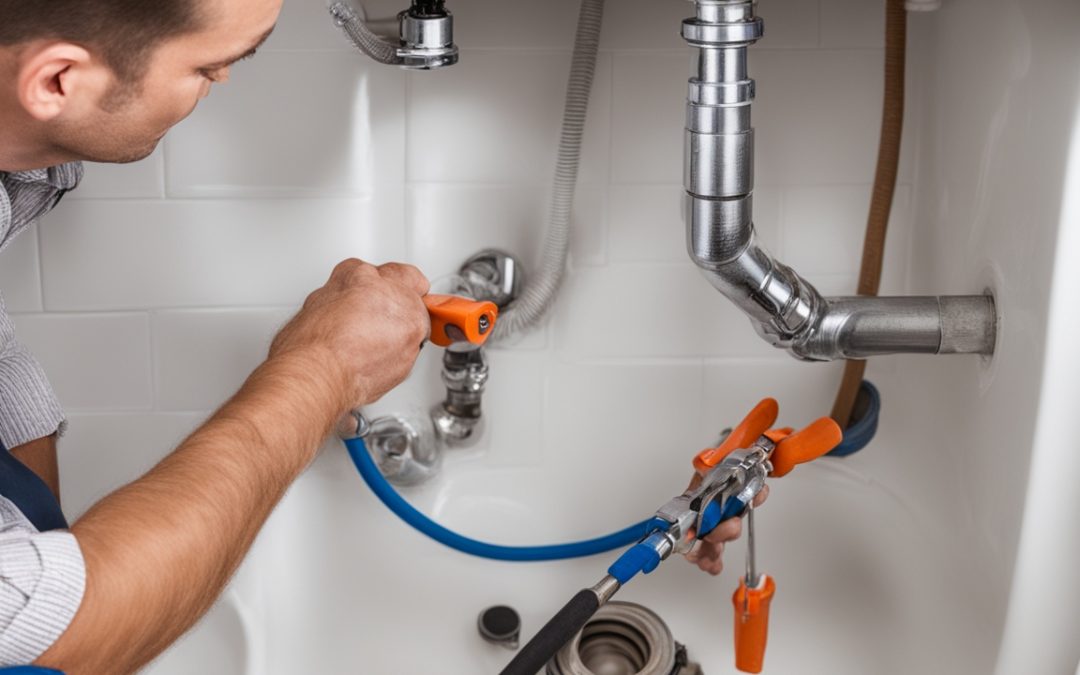
by Prapti | Jun 13, 2024
Are you looking to improve the efficiency of your dishwasher but don’t know where to start? No need to worry because we understand the importance of an efficient dishwasher. It not only saves you time but also ensures your cutlery and dishes come out sparkling clean every time. One of the best ways to maintain optimal dishwasher performance is by preventing drain blockages.
In this blog, we explore the best methods for blockage prevention and tips for improving dishwasher function so you can keep your dishwasher running smoothly and extend its lifespan. Let’s start!
How To Achieve Optimal Dishwasher Performance?
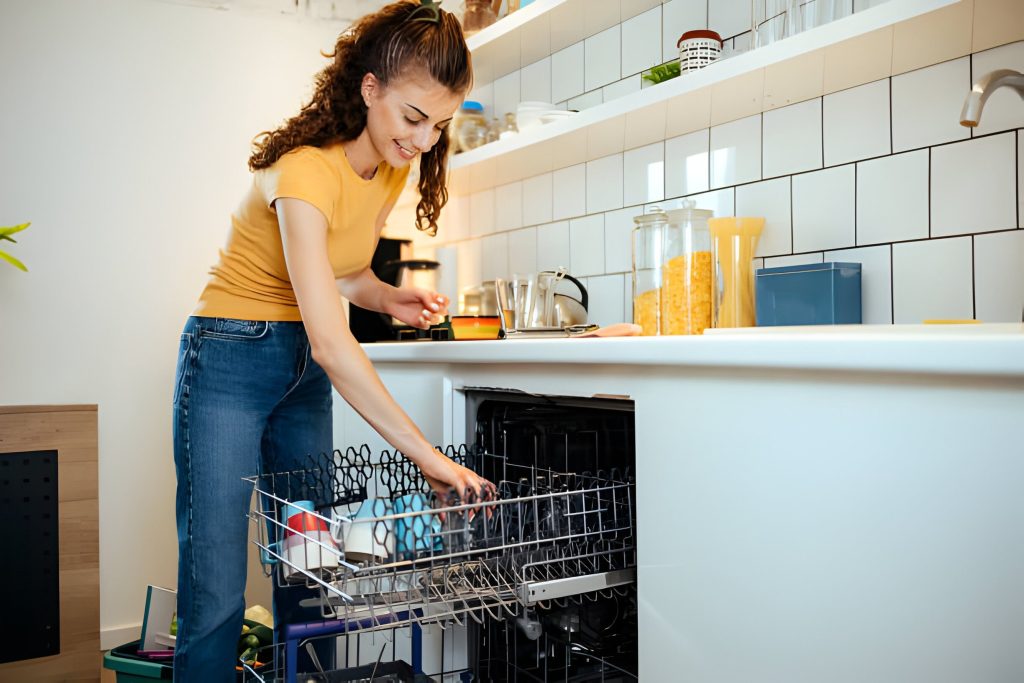
1. Avoid Overloading
One of the most important blockage prevention methods is overloading the dishwasher. This can block the spray arms and consequently prevent the water from reaching all the dishes. It leads to inadequate cleaning and increases the need for re-washing, wasting water and energy. There should be enough space between each dish or cutlery so that the water and detergent can circulate freely.
2. Placement of Large Items
The bigger items like the pots and pans need to be placed on either the sides or at the back of the bottom rack in the dishwasher. This way the smaller items can be cleaned thoroughly in the middle part. Additionally, you need to be careful of where you place the larger items, as they can end up blocking the detergent dispenser or even the spray arms.
3. Positioning Dishes
The position of your dish, when you place it in the dishwasher determines how efficiently it will be washed. For the best results, make sure that you position dishes with the dirty side turned towards the spray arms. Another positioning technique to note is the angle at which you place the plates and bowls. They should be angled downward for proper drainage so the water can reach even the dirtiest parts.
4. Avoid Nesting Utensils
When your utensils end up nesting together, they create a space between them where water and detergent cannot enter. This is not sanitary, so you need to avoid this by placing the utensils with their handles down in the utensil basket. This, of course, does not apply to knives for very obvious reasons, so place them with handles up for your and your family’s safety. Do not place spoons and forks together, as they can also end up sticking with each other.
5. Use the Top Rack for Delicate Items
The top rack of the dishwasher is designated for smaller items like glasses and cups. To make sure these delicate items do not break, place them securely and in a way that they are not touching each other.
6. Secure Lightweight Items
The water jets in the dishwasher can be quite forceful, so they can easily toss around any unsecured lightweight plastic items. You may need to secure these items in place using another heavier item or use a top rack designed to hold them.
7. Check for Blockages
You may be able to employ a variety of blockage prevention methods, but your dishwasher may still become blocked. Therefore, you need to check for these regularly before starting the dishwasher. Just spin the spray arms by hand to ensure they can rotate freely and are not obstructed. Get a professional involved if there are any signs of the spray arms not working.
8. Choosing the Right Detergent
Here are some detailed tips on detergent use:
- Only use the detergents which are specifically formulated for dishwashers.
- Do not use excessive detergent as it will leave residue buildup on dishes and inside the dishwasher.
- Make sure to follow the dishwasher manufacturer’s guide on how much detergent you need to use.
9. Routine Checks and Maintenance
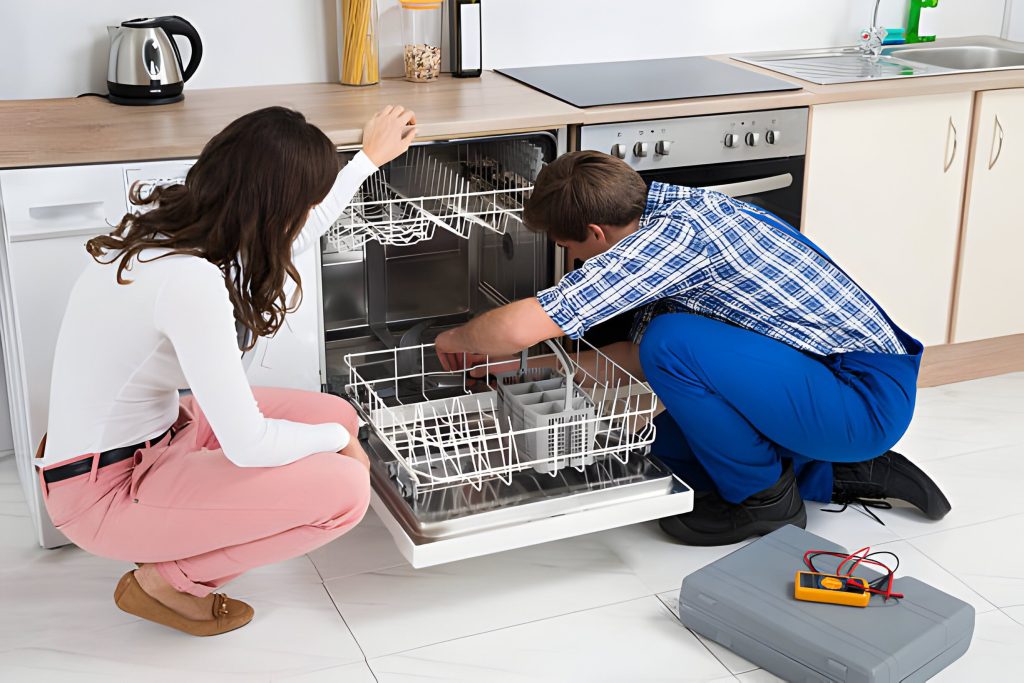 Your dishwasher needs regular maintenance to keep running smoothly. Book professional plumbing services in Sydney, like Rapid Service Plumbing, to come and inspect your dishwasher every once in a while to ensure it is working as it should. Without routine checks, your dishwasher is at high risk of sudden breakdowns.
10. Use the Right Cycle
The right cycle makes all the difference when it comes to dishwashing. A dirtier dish requires a hot cycle, while a lightly dirty dish can be cleaned efficiently by a short cycle. Identify the type of cycle your dishes may need.
11. Run Full Loads
Only running full loads in the dishwasher is not only an eco-conscious habit, but it also maximises water and energy efficiency.